As schools start to organize educational trips in China, focus frequently shifts to prominent cities and well-known historical landmarks. Rural areas are often ignored, but they provide some of the most significant educational experiences for learners. In these environments, culture, landscape, and everyday life are deeply intertwined, enabling learners to see how communities engage with their surroundings in ways that are hard to observe in urban settings.
For students, this signifies gaining knowledge through practical experience instead of just watching. They might gather tea leaves with farmers, explore village markets, or acquire traditional craft skills from local artisans. Such moments provide chances to grasp how history, environment, and culture influence daily life.
In this article, we explore five educational activities that students can experience in rural China, highlighting how these experiences support deeper learning and cultural understanding. Schools interested in designing immersive programs across different regions can also explore educational journeys organized by destination or discover curriculum-aligned opportunities through subject-based learning programs.
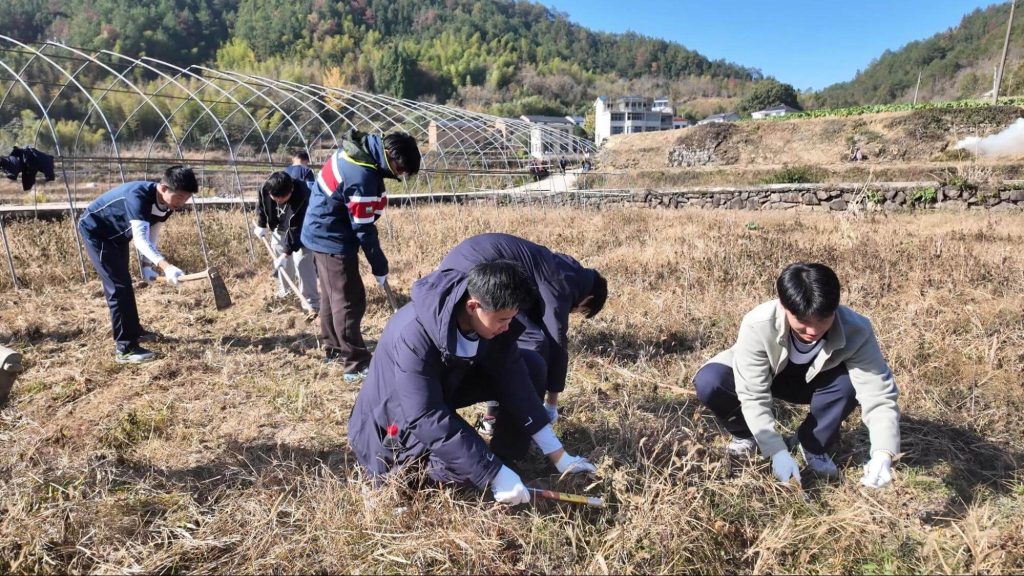
Across rural areas of China, farming is still intimately linked to everyday existence. Fields lie adjacent to village residences, seasonal patterns influence community habits, and understanding of the land is frequently handed down through generations. For learners, this setting provides a significant chance to comprehend how food systems, ecological factors, and human work are intertwined.
Students experience agriculture directly rather than solely studying it from textbooks. They start to understand the impact of climate, landscape, and culture on agricultural practices and how local populations adjust to these circumstances annually.
A key understanding students acquire is the deep connection between agriculture and the seasons. Crops are sown and gathered based on climate trends that farmers have meticulously observed over the years. Even minor changes in weather can impact choices regarding planting, irrigation, and soil management.
Students on China rural trips may observe:
These observations open the door to conversations about sustainability, climate, and food production. Subjects such as geography, environmental science, and economics suddenly become visible in the landscape around them.
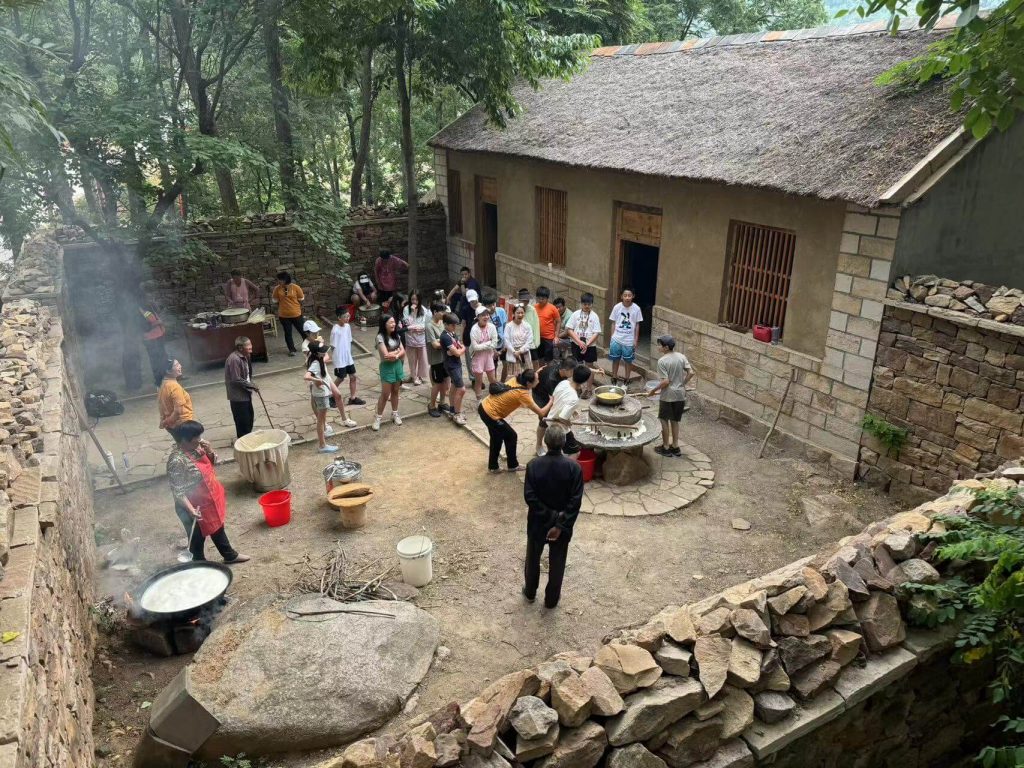
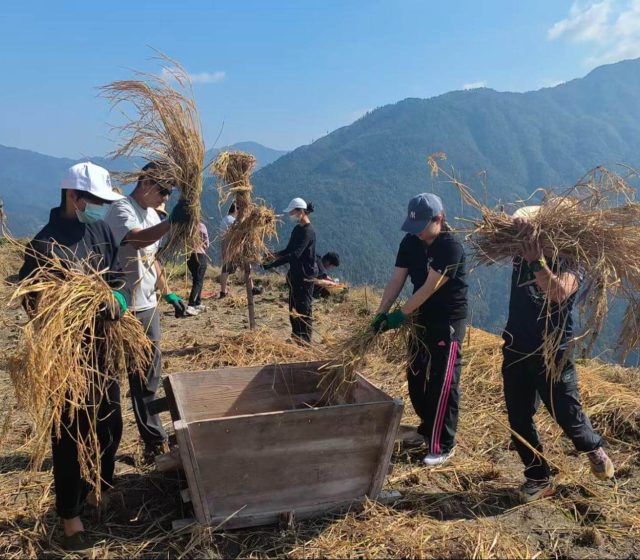
Observation is only the beginning. Many rural programs allow students to take part in simple farming activities under the guidance of local farmers.
Common activities may include:
These tasks often look simple at first. Students quickly discover that they require careful attention and patience. Tea leaves must be selected carefully and soil must be handled correctly.
Agriculture also helps students understand how rural communities function within broader systems. Food production supports local markets, shapes trade patterns, and influences land management decisions.
| What Students Observe | What They Begin to Understand |
| Tea plantations on mountain slopes | How terrain influences crop selection |
| Irrigation channels feeding rice fields | The importance of water management |
| Farmers harvesting seasonal vegetables | Local food systems and supply chains |
| Soil preparation and composting | Sustainable farming practices |
Rural villages provide students with a unique opportunity that is becoming scarce in contemporary travel: a chance to see culture develop through daily practices. Life flows at a distinct tempo. Markets begin early, neighbors exchange greetings in communal areas, and customs are deeply connected to the environment and regional heritage.
For learners, just strolling through a village can uncover how community life is structured. They could observe families cooking together, older members of the community congregating to converse in open spaces, or local stores acting as community gathering spots.
Many students are surprised by how interconnected village life feels. Homes, farmland, and public spaces are often closely linked, creating a strong sense of community. As they move through these spaces, students begin to observe how relationships between neighbors, families, and local traditions shape everyday routines.
Programs such as the Zhujia Village rural revitalization experience allow students to explore these dynamics more closely. In villages like Zhujia, students can learn how communities balance heritage preservation with modern development while maintaining local identity.
Many of the most significant learning experiences occur through basic conversation. Students could engage with local community members about agricultural methods, discover how traditional meals are made, or listen to stories about the village’s evolution over the years.
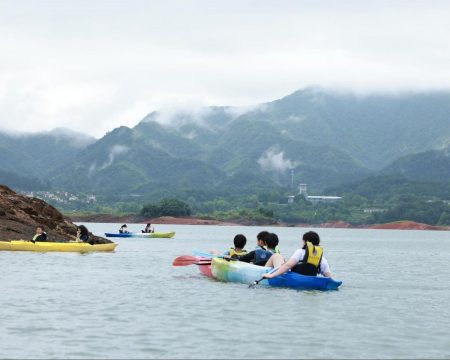
Rural China offers an excellent environment for ecological education as natural systems are both observable and interlinked. Mountains, rivers, woodlands, and agricultural areas coexist in the same terrain, enabling students to witness how geography influences both ecosystems and human behavior.
Rather than examining environmental systems solely via diagrams or case studies, students can physically explore them. A trail on a hillside may show how water moves into tiered fields. A river valley can demonstrate how communities grow around dependable water supplies.
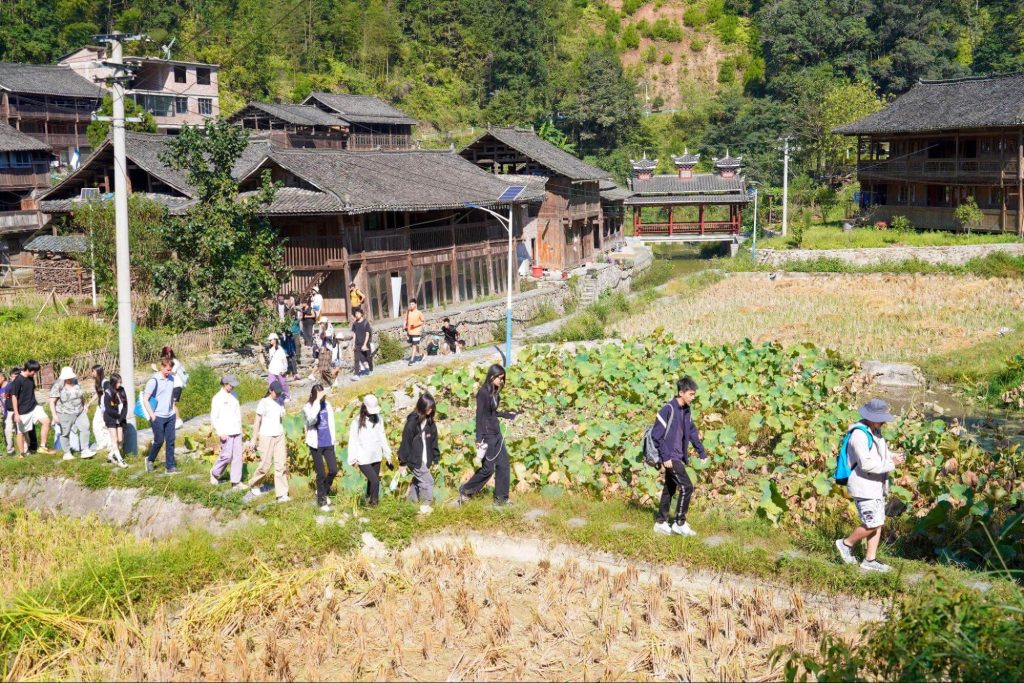
Many rural landscapes in China illustrate centuries of adjustments between communities and their surroundings. Terraced farms, for instance, are more than just agricultural elements. They are designed solutions created to handle steep landscapes, save water, and optimize restricted land.
Students may notice:
Outdoor exploration often turns into informal fieldwork. Teachers and guides may encourage students to document what they see and ask questions about how natural systems operate.
Students might:
In many rural areas, conventional crafts remain integral to daily life. Abilities like woodworking, pottery, weaving, or paper cutting are frequently transmitted from generation to generation, serving not only as artistic legacies but also as functional expertise that sustains local identities and economies.
For students, meeting local artisans often changes how they think about craftsmanship. What might first appear simple quickly reveals layers of skill and patience. Tools are handled with precision. Materials are chosen carefully. Small details make a visible difference in the final result.
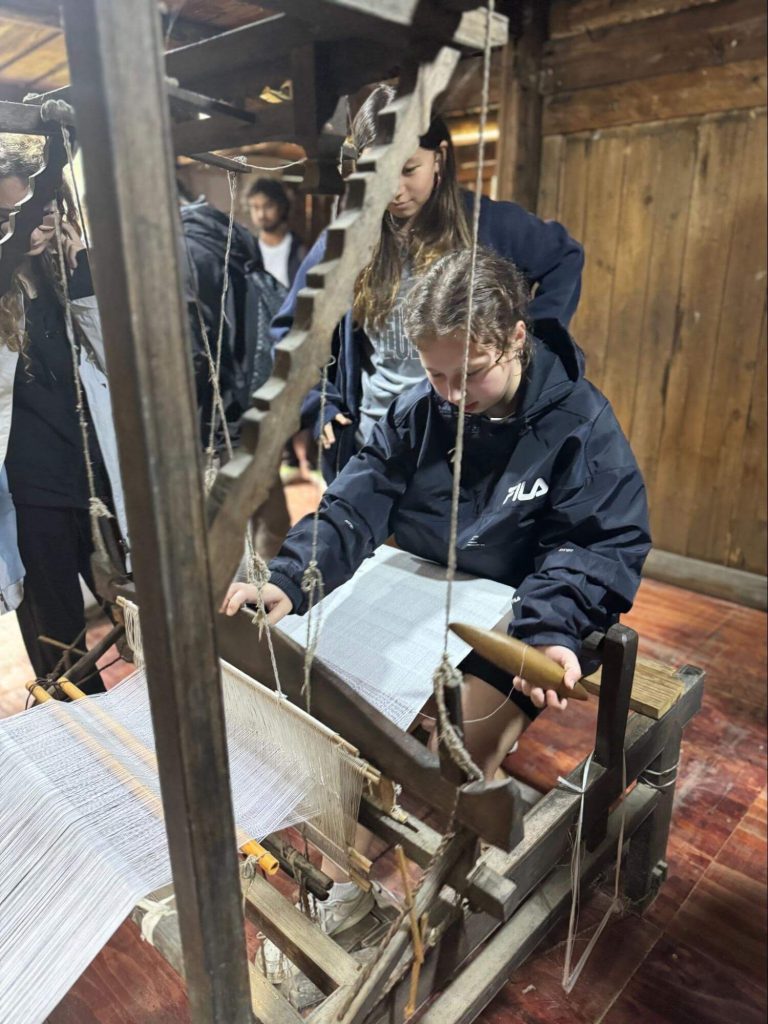
Workshops led by community artisans give students the chance to observe and try techniques that have developed over decades or even centuries.
Students might experience activities such as:
One of the most meaningful aspects of rural programs often comes from something simple: conversation. By spending time in village communities, students have the chance to engage with local residents and understand daily life from those who inhabit the area.
These interactions often seem casual instead of organized. A dialogue could begin while assisting in chopping vegetables for lunch, strolling through a nearby market, or watching how a craft studio functions. Students soon understand that each encounter provides a glimpse into how customs, ways of living, and communal principles influence life in rural areas.
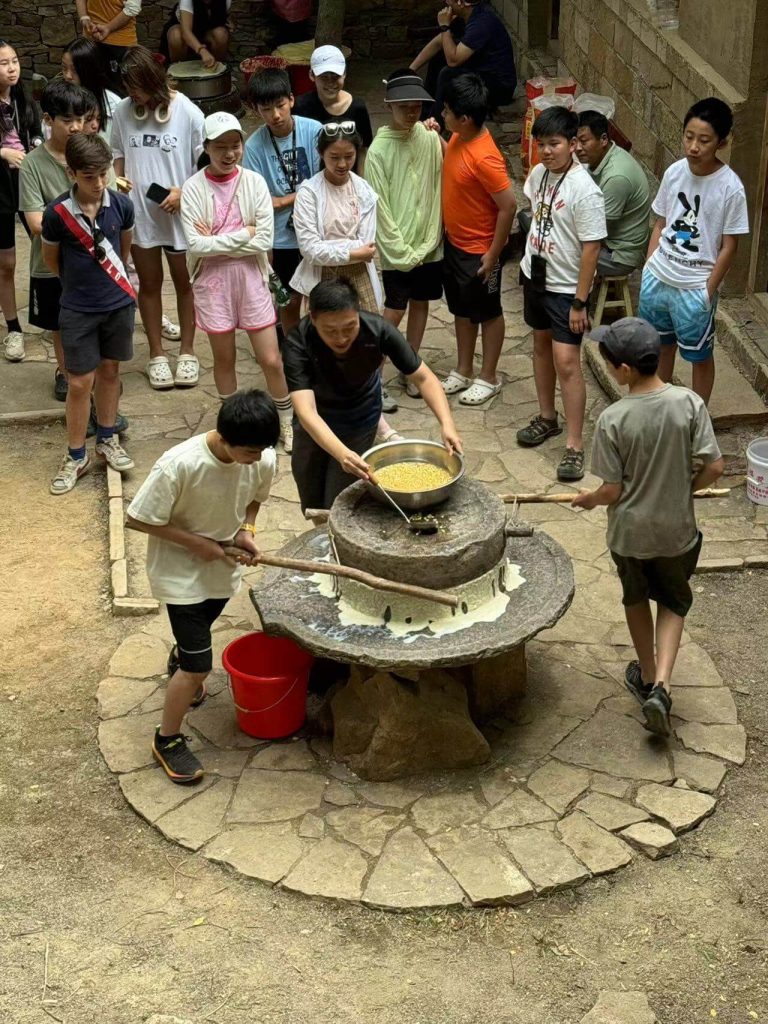
Speaking with residents allows students to hear perspectives that rarely appear in textbooks. They may learn about farming traditions, changes in the local economy, or how younger generations are balancing modern opportunities with cultural heritage.
Schools interested in exploring immersive rural learning journeys can discover more opportunities through WildChina Education, including our programs designed across diverse regions of the country. You can explore destinations throughout China or find experiences aligned with specific subjects through the educational programs available on the WildChina Education website.
© 2026 All rights reserved.
Terms and Conditions