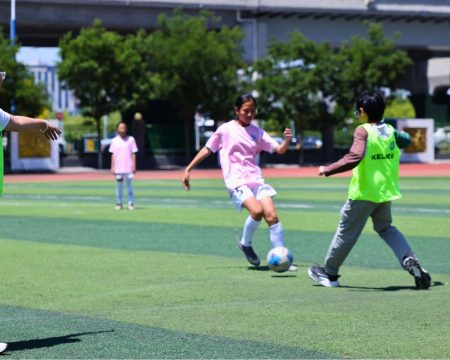
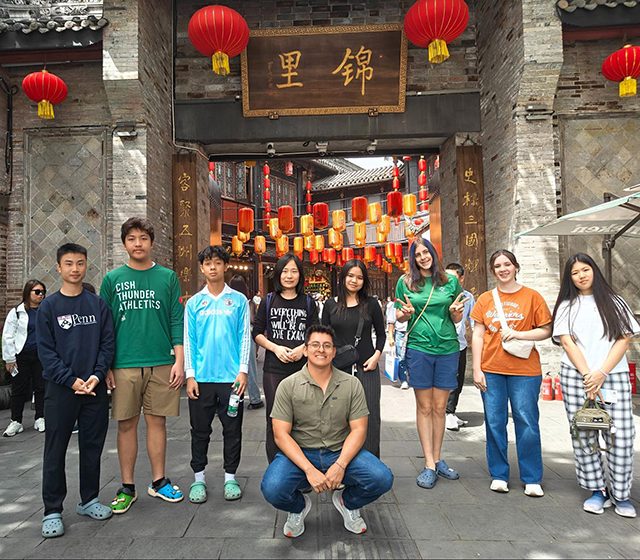
Students can understand social change in China more clearly when they compare what they see in cities, villages, neighborhoods, and communities, rather than studying development only through statistics or textbook summaries. A well-designed student trip helps them notice how change is lived through daily routines, family expectations, transport, housing, schools, work, and public spaces.
China’s transformation is not one single story. Urban growth, rural change, migration, education, infrastructure, mobility, and cultural continuity all look different depending on the place and the people students meet. Through carefully planned field observation and respectful community interaction, students can ask better questions about development, identity, opportunity, and adaptation. This is why custom school trips to China can be especially valuable for social studies, geography, and global citizenship learning.
China’s cities and villages give students a grounded way to study social change because they can observe how people live, move, work, learn, and adapt in different settings. Instead of seeing development as an abstract idea, students can connect classroom learning with real places and daily choices.
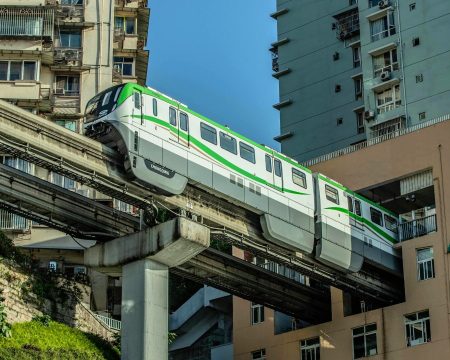
Social change is easier for students to understand when it is connected to real streets, homes, schools, public spaces, transport systems, workplaces, and community life. A new subway line, apartment block, or shopping district may show visible change, while family expectations, work opportunities, education access, and community identity often require conversation and context. Learning about China’s social and economic changes becomes more meaningful when students can compare what they read with what they observe.
Cities should not be presented as only modern, and villages should not be presented as only traditional. Cities can contain older neighborhoods, migrant communities, informal economies, and strong local traditions. Villages can include smartphones, tourism, new infrastructure, education ambitions, entrepreneurship, and outward migration. The learning value comes from comparison, nuance, and asking better questions.
Students can observe housing and neighbourhood design, public transport and mobility, schools, markets, public spaces, local businesses, livelihoods, community facilities, generational differences, signs of continuity and change. A great student inquiry question is: “What changes can be observed in a place, and what changes need conversation, context and reflection to understand?”
Urban and rural experiences help students explore how social change is uneven, complex, and shaped by local context. Comparing different communities helps students see that development does not affect every place, family, or generation in the same way.
Cities can help students understand migration, employment, housing, education, transport, consumer culture, urban planning, and changing aspirations. Students might compare older neighborhoods, commercial districts, public spaces, and new infrastructure to see how different parts of a city reflect different stages of change. This keeps discussion of China’s new urbanization strategy student-focused, observable, and connected to daily life rather than policy alone.
Urban change is not only about skylines, high-speed rail, and new districts. When approached respectfully, learning about urban villages in China can help students understand migration, affordable housing, redevelopment pressure, informal economies, and community networks. These places should never be framed as curiosities or attractions. The focus should be on context, dignity, and the ways urban growth creates both opportunity and challenge.
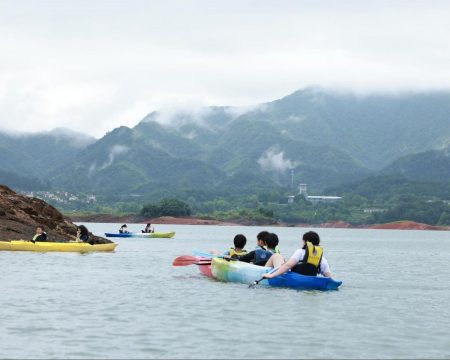
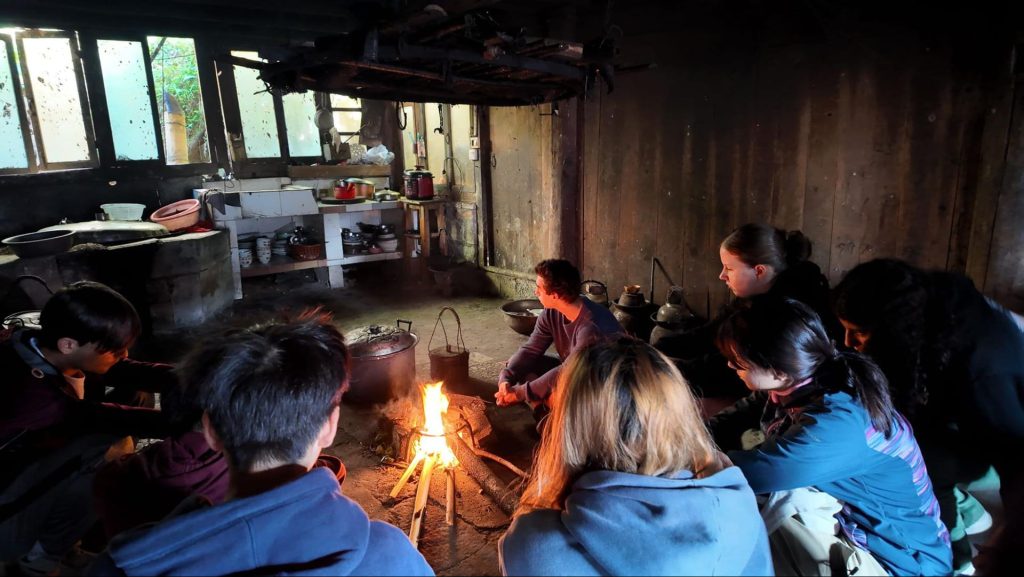
Villages can show what it is like to experience social change through farming, family life, migration, tourism, education, infrastructure, environmental pressures and local initiatives. Some students will see continuity first and then change so guided questions are important. Rural communities are not to be idealised or static. They are places where adaptation, tradition, aspiration and challenge often co-exist.
Comparison is essential. Students learn more when they connect city and village experiences rather than treating each stop as a separate activity. A strong school trip helps students build a learning arc across places, people, and reflection tasks.
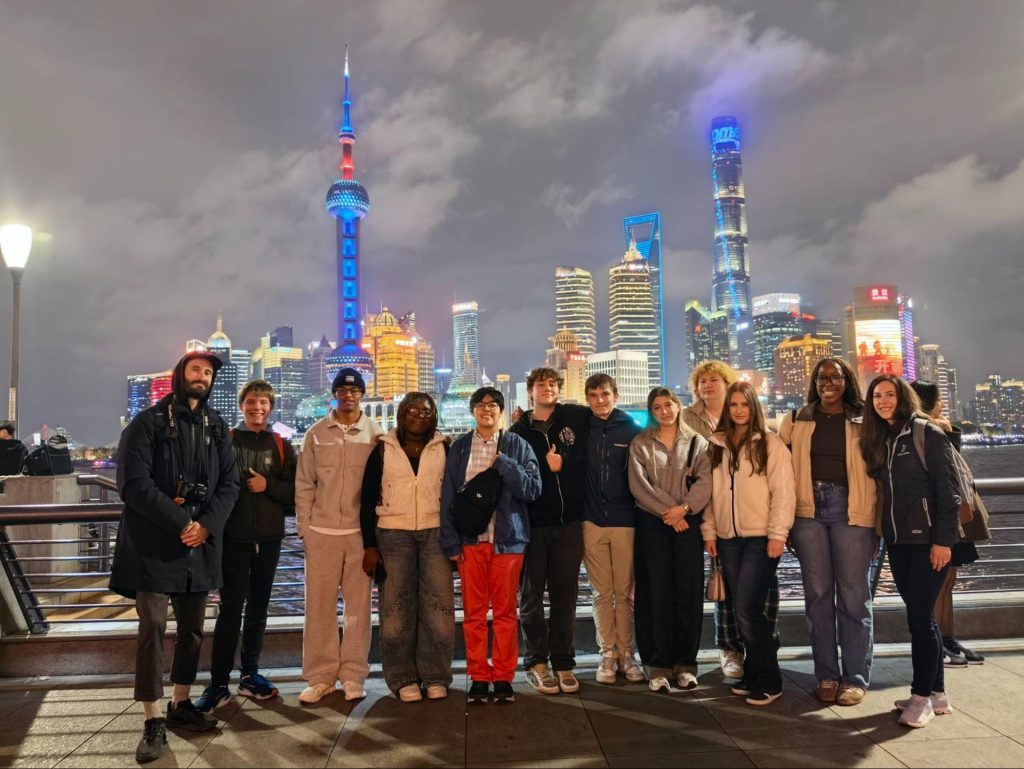
Beijing and Shanghai offer useful contrasts for student inquiry. Beijing can help students consider history, governance, heritage, neighborhood life, and cultural continuity. Shanghai can help students explore urban design, global business, innovation, creative districts, and modern infrastructure. Comparing these cities helps students see that urban change does not happen in the same way everywhere. A Beijing and Shanghai student program can support this kind of comparative learning.
Longsheng offers a different lens for rural and community-based learning. Through village hikes, farming traditions, cultural exchange, service projects, storytelling, cooking, community-led workshops, and reflection, students can learn from place in a respectful way. A Longsheng community immersion program should be built around preparation, equal partnership, humility, and respect, not the idea of village life as an attraction.
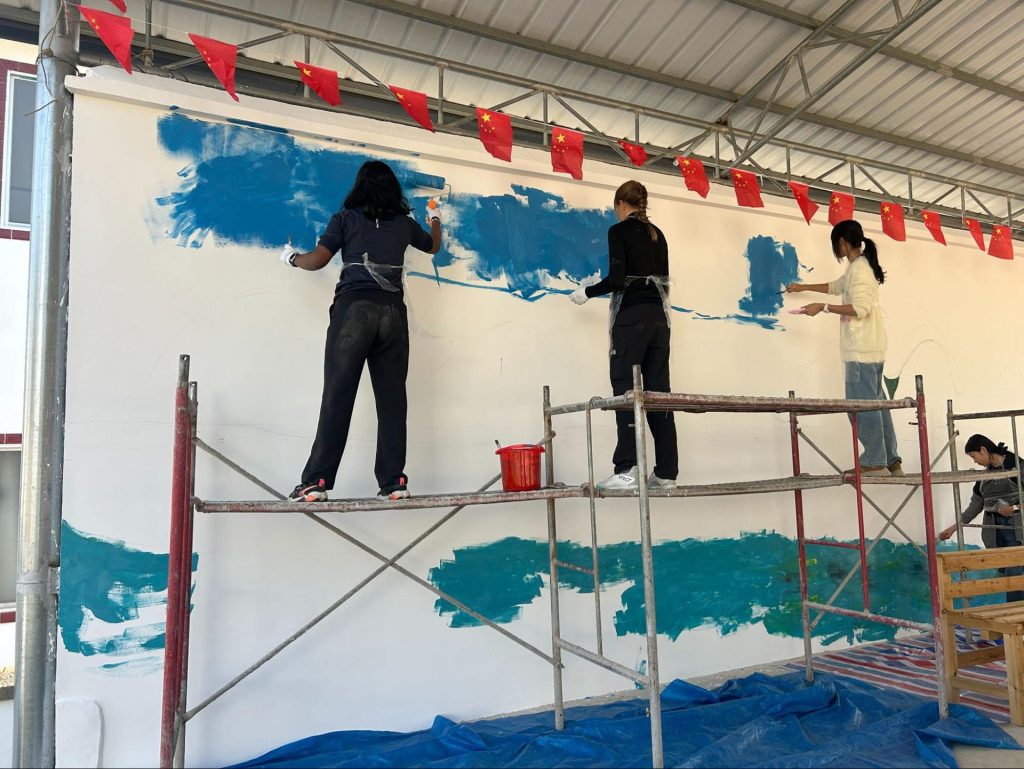
Service learning can support understanding of social change when it is designed around community context, not one-way helping. Students should learn about local priorities before participating. Reflection should connect the service activity with wider questions about development, access, sustainability, and responsibility. Well-planned service learning programs in China should support respectful exchange and long-term community relationships where possible.
The goal is not for students to make broad claims about China. It is to help them build better questions, stronger observation skills, and a more nuanced understanding of how social change in China is experienced across different places and communities.
Students practice comparing urban and rural settings without reducing them to “modern” versus “traditional.” They learn that social change can involve opportunity, pressure, continuity, disruption, and adaptation at the same time. They also begin to understand that one city, village, neighborhood, or family story cannot represent all of China.
For teachers, this kind of student trip can support practical social studies skills. Students practice observation, mapping, interviewing where appropriate, comparing evidence, asking follow-up questions, reflective writing, group discussion, and presenting findings. These skills help students move beyond passive viewing and toward active, respectful inquiry.
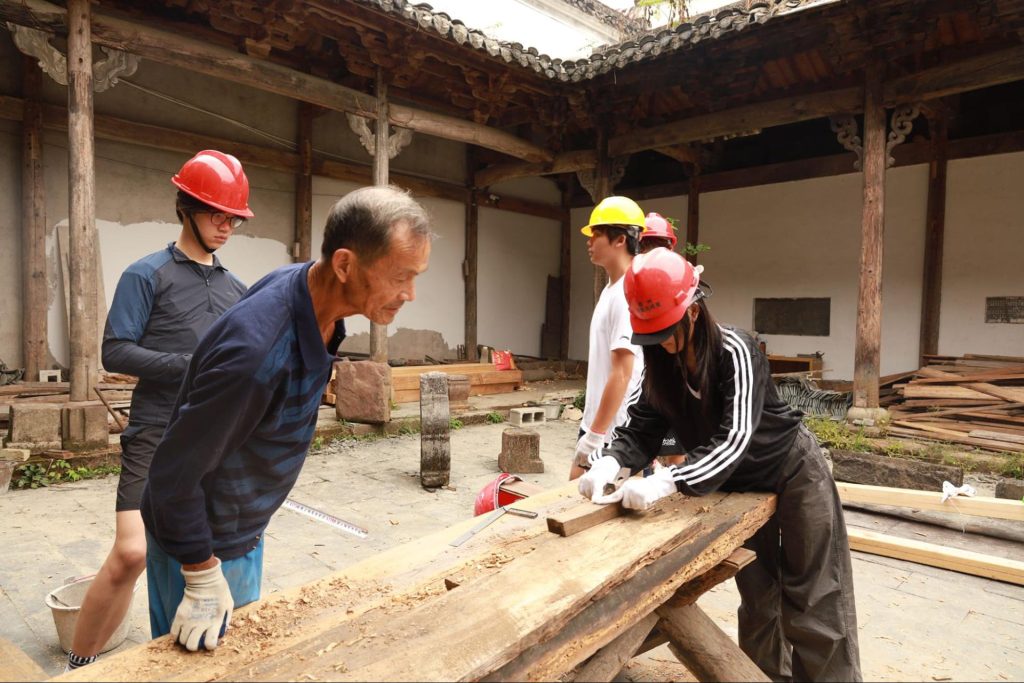
Students can explore how work, education, migration, family life, transport, technology, housing, public space, and cultural practices shape daily experience. The emphasis should be on respectful listening and context-based interpretation. Rather than collecting surface-level impressions, students learn to ask what a place can teach them and what they still need to understand.
Studying social change in China can help students think about wider global questions, including urbanization, inequality, migration, development, sustainability, cultural continuity, technology and daily life, and community resilience. Useful student outputs might include a comparative field journal, photo essay, interview reflection, urban-rural comparison map, social change case study, group presentation, community story project, or development and sustainability reflection.
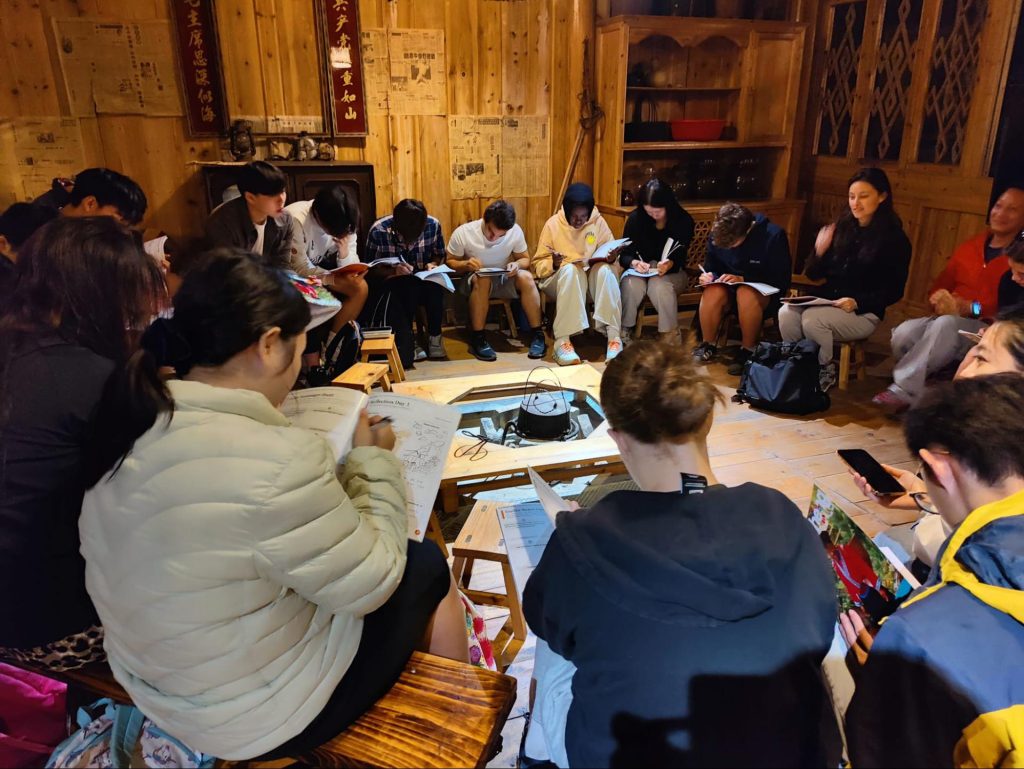
China’s cities and villages help students see both transformation and continuity, from public transport and housing to family life, community values, migration, and local identity. The educational value comes from careful comparison, respectful listening, and guided reflection, not from treating any one place as a complete picture of China.
For schools planning student inquiry around development, migration, community life, and cultural understanding, WildChina Education can help design a thoughtful learning experience rooted in place, context, and reflection.
© 2026 All rights reserved.
Terms and Conditions