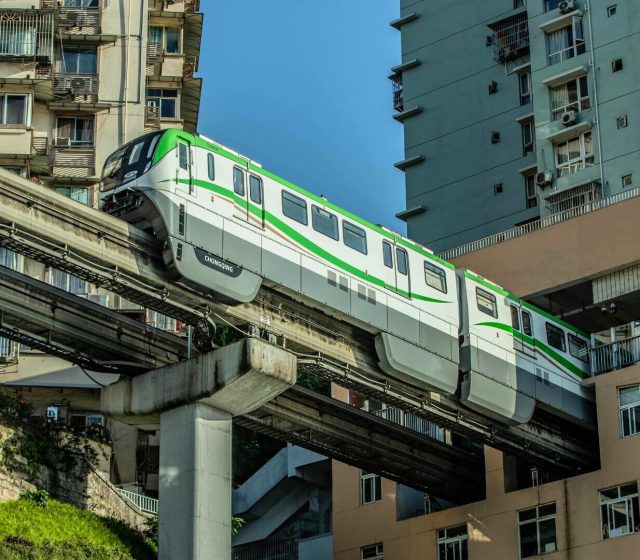
Meaningful learning activities in China help students connect classroom subjects with real places, communities, landscapes, and cultural contexts. Chongqing is a strong base for this kind of place-based learning because it brings together rivers, bridges, steep terrain, museums, food culture, rapid urban development, and access to wider Southwest China.
For schools planning custom school trips to China, this approach can support subjects ranging from geography and STEAM to history, Mandarin, social studies, environmental systems, and global citizenship.
These activities can work as standalone learning moments or as part of a wider Southwest China itinerary. Each one is strongest when it begins with a clear learning question, includes guided fieldwork, and gives students time to reflect on what they observed.
Chongqing’s museums can be active learning spaces where students investigate evidence. In a museum setting, students can study fossils, artifacts, maps, photographs, models, and local history materials that help them connect classroom topics to physical objects and regional stories.
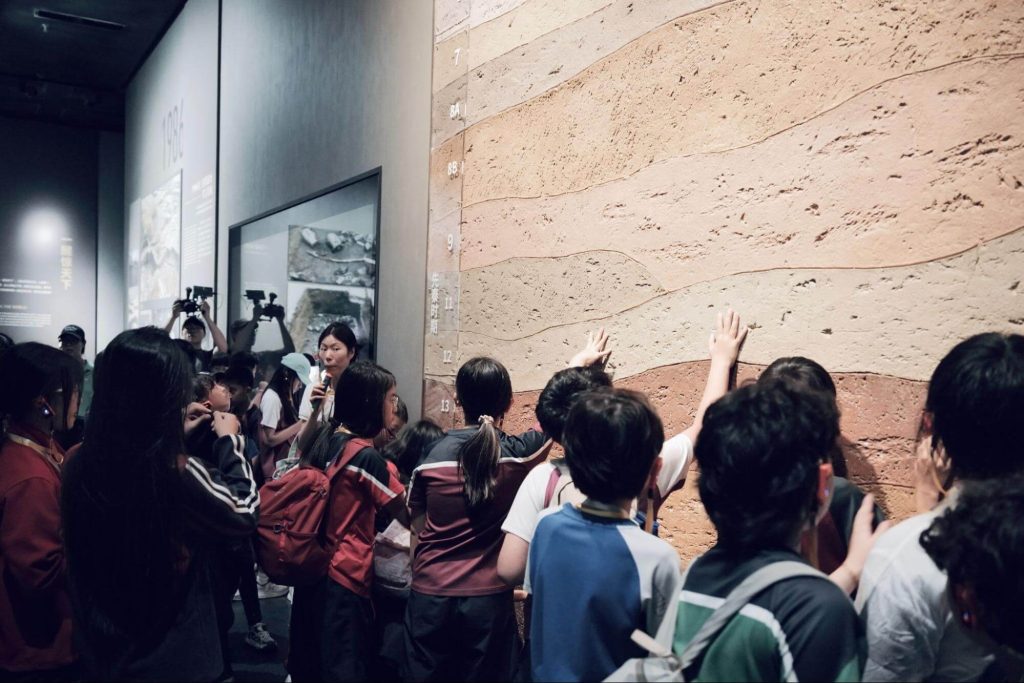
For example, Chongqing Natural History Museum can support learning around paleontology, biodiversity, geology, and the deep history of life in Southwest China. Chongqing Three Gorges Museum can help students examine river geography, urban change, wartime history, migration, and the cultural identity of the Three Gorges region.
This approach also reflects a wider shift in museum education. Chongqing’s museums are developing more immersive learning experiences, giving schools more opportunities to connect exhibits with inquiry-based learning.
Pre-visit question: What can objects tell us that textbooks cannot?
Field activity: Students choose one object, exhibit, or museum route and connect it to a wider scientific or historical question.
Reflection task: Students explain how the museum changed, complicated, or deepened their original understanding.
Chongqing works well as a real-world classroom for STEAM, geography, and design thinking because the city makes infrastructure visible. Its steep terrain, river crossings, layered transport systems, bridges, hillside neighborhoods, and dense urban design all raise practical questions about how people move through complex landscapes.
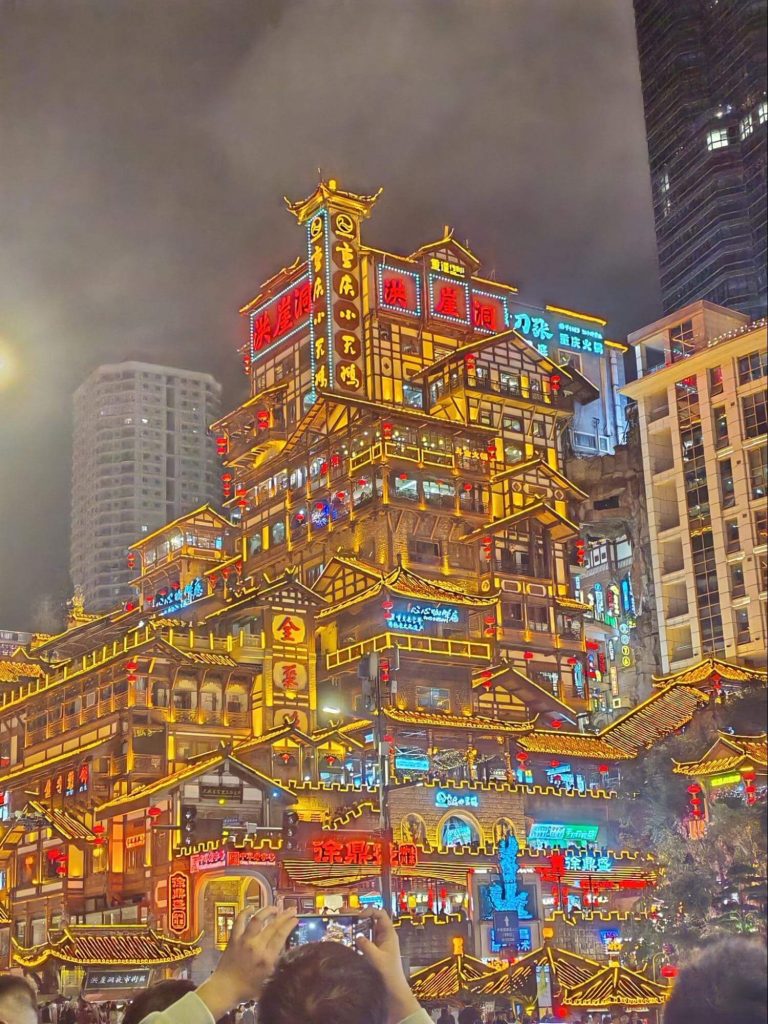
Students can observe how bridges, roads, rail lines, cableways, river routes, and public spaces shape daily movement. They can see how terrain affects design choices, how transport connects neighborhoods, and how public spaces respond to both geography and community needs. This kind of fieldwork fits naturally with STEAM education school trips in China because students are asked to apply science, technology, engineering, design, and social thinking together.
Field observation: Students map how bridges, roads, rail, river routes, and public spaces shape movement.
Workshop: Students design a bridge, route, or public space that responds to terrain and community needs.
Discussion question: What trade-offs do planners make when a city must balance growth, access, safety, heritage, and sustainability?
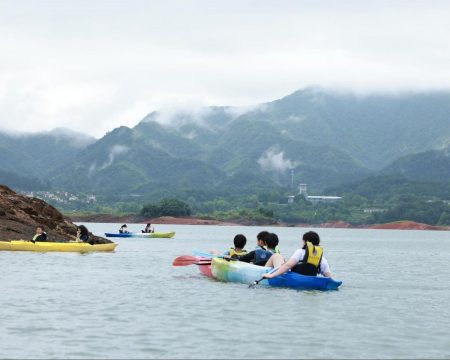
The Yangtze River and wider Three Gorges context give students a strong setting for field-based geography, environmental science, sustainability, and global issues learning. Students can investigate how a major waterway shapes settlement, transport, food systems, public space, industry, and regional development.
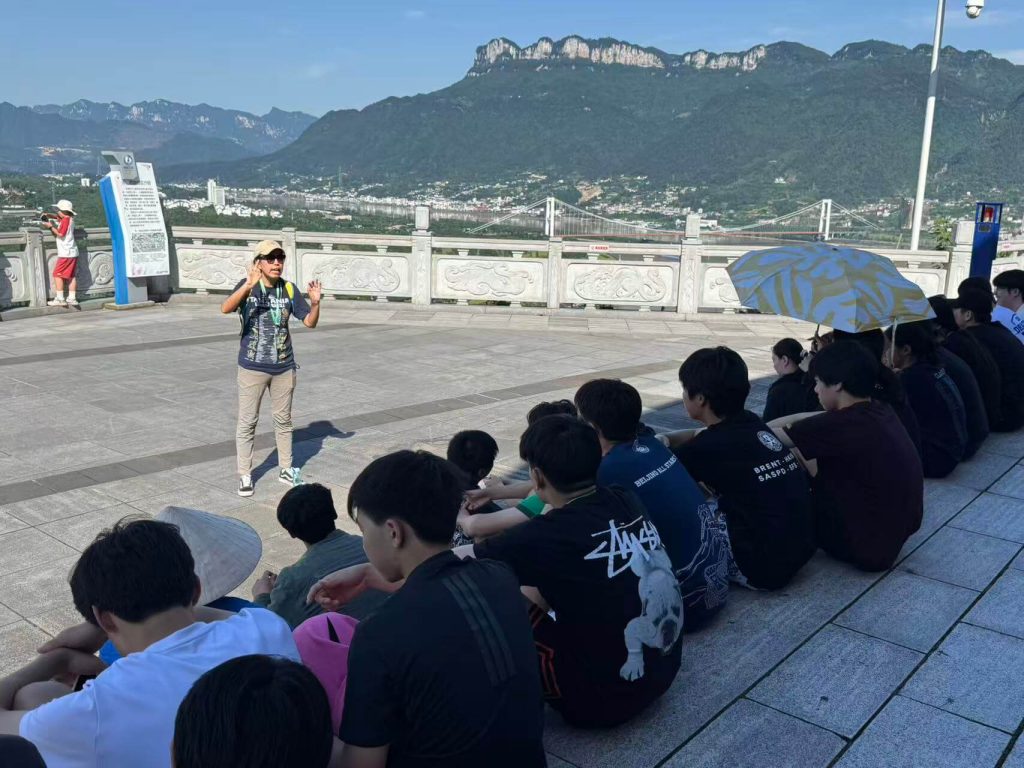
This topic is especially useful for schools looking for geography-focused programs in China because it asks students to connect landscape with human decision-making.
Field observation: Students map how different parts of the riverfront are used for transport, tourism, housing, flood control, commerce, public space, and recreation.
Workshop: Students compare riverfront land uses and create an annotated map showing how the Yangtze shapes settlement, movement, and development choices.
Discussion question: How does a major river influence the decisions made by residents, planners, businesses, and local communities?
Chengdu offers a useful “beyond Chongqing” example while keeping the learning grounded in Southwest China. Food can become an entry point into geography, climate, agriculture, migration, trade, language, family life, and regional identity.
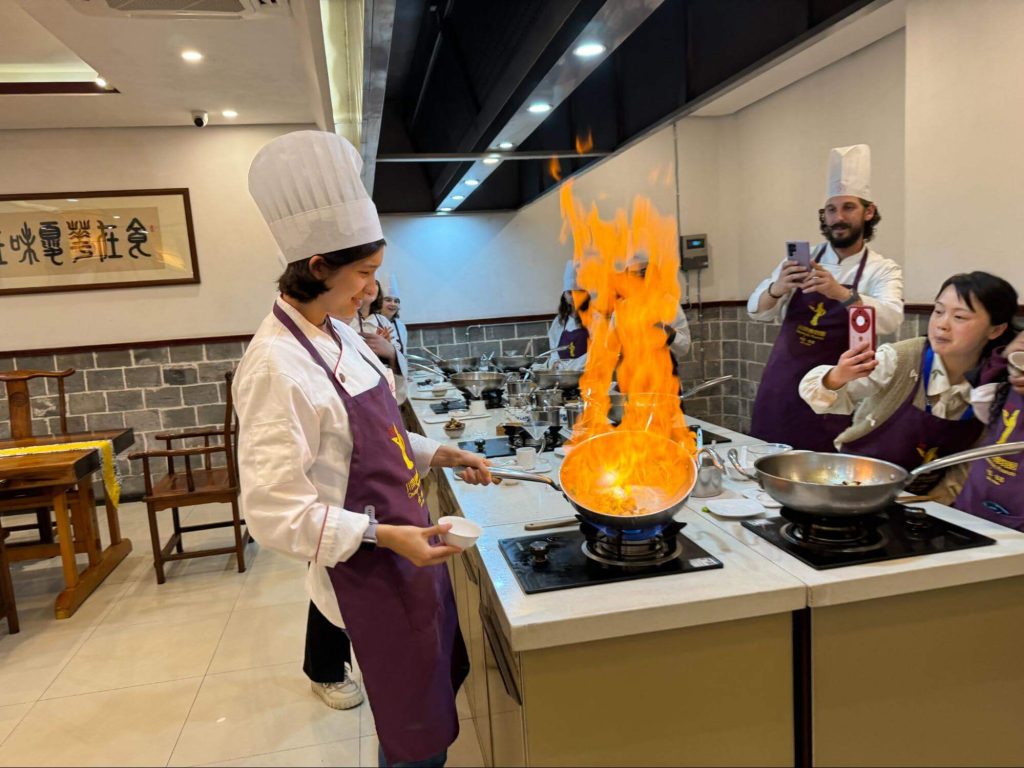
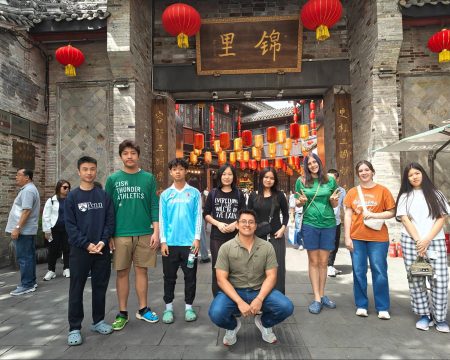
In Chengdu and the Sichuan Basin, students might visit a market, join a cooking workshop, practice Mandarin through ingredient names and simple transactions, take part in bamboo weaving, explore old streets through a scavenger hunt, or connect food and habitat through conservation-linked activities.
A Chengdu student program can also help students understand how culture is learned through participation.
Market observation: Students identify ingredients and consider how climate, geography, and trade shape local cuisine.
Hands-on activity: Students join a cooking, craft, or neighborhood-based activity connected to local materials and traditions.
Reflection question: What does daily life reveal about history, environment, language, and community values?
Longsheng offers a valuable example of learning beyond Chongqing in a rural, community-based setting. Here, students learn through direct interaction with local communities, not only through observation. The focus should be on respectful exchange, shared learning, and guided reflection, rather than presenting communities as attractions.
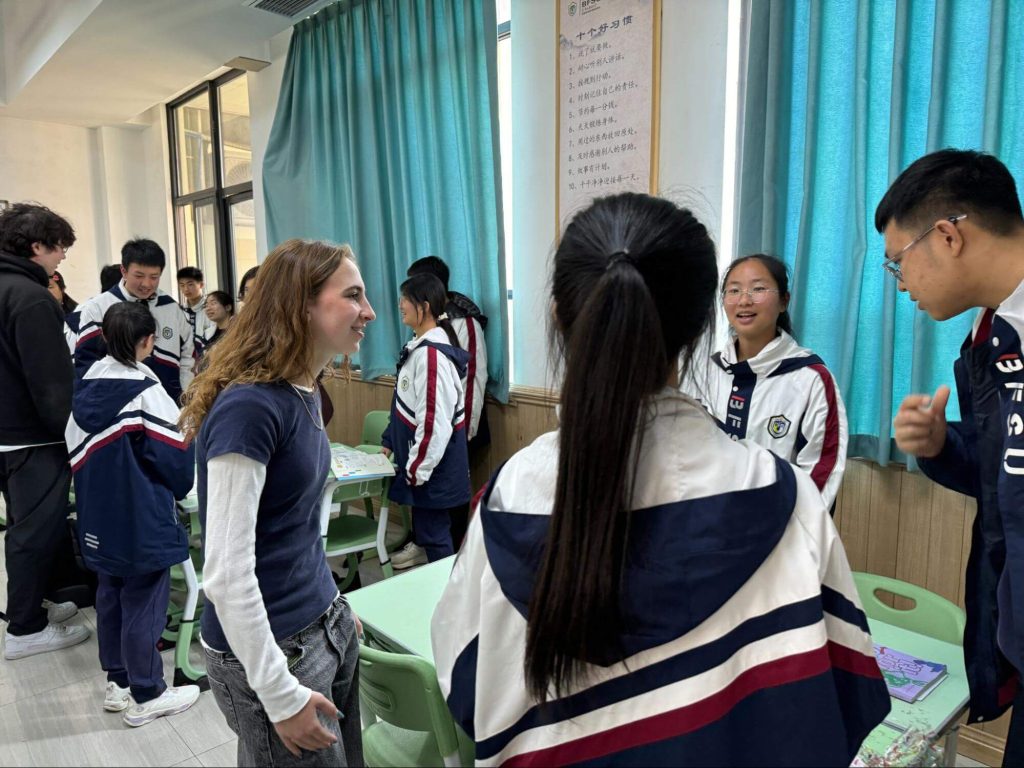
A well-designed Longsheng community immersion program might include village hikes, cultural workshops, service projects, farming traditions, school exchange, storytelling, or conversations with local hosts and educators.
Pre-trip preparation: Students learn about the region, community context, and purpose of the exchange before arrival.
Community-led field activity: Students take part in a workshop, service project, school exchange, farming activity, or guided village walk led by local partners.
Reflection task: Students consider what they learned about identity, place, responsibility, and respectful engagement.
The best student trips help learners investigate real questions through real places, whether they are studying a museum object, mapping a riverfront, observing a bridge, joining a community-led workshop, or reflecting on daily life in a new setting.
Chongqing is a strong example because it brings together museums, rivers, bridges, infrastructure, food culture, and urban change in ways students can observe directly. When these experiences are guided by clear learning goals, students can connect what they see in China with the subjects, questions, and skills they are developing back at school.
Local educators, guides, museums, community partners, and program designers help students understand what they are seeing. WildChina Education brings this local knowledge into planning when schools design a custom student program across China.
© 2026 All rights reserved.
Terms and Conditions