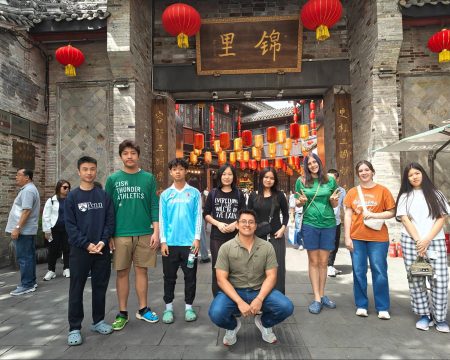
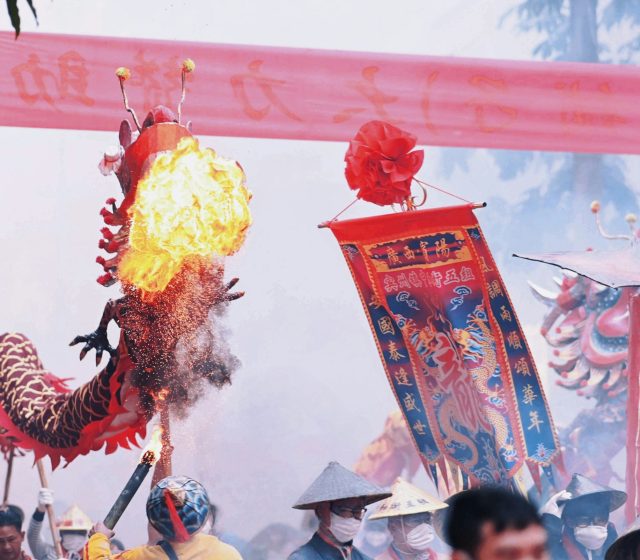
China offers unparalleled learning opportunities for students—rich in history, culture, and modern innovation. However, the timing of your visit, especially around China national holidays, can dramatically impact budgets, logistics, and the overall experience.
To help educators plan with confidence, this guide includes the key Chinese national holidays, their travel impact, and strategic planning tips for successful student travel to China.
There are seven official public holidays in China. Some of these have a fixed date, while others are based on a lunar calendar and change from year to year.
Here are the national holidays in China to keep in mind when planning your school trip, along with their travel impact:
2026 Dates: January 1, 2026
New Year’s Day is recognized nationally but is not as widely celebrated as other major holidays in China.
Travel impact: Low—minor travel increases, but little disruption for educational groups.

2026 Dates: February 16-22, 2026
The most important holiday in China, Chinese New Year is marked by family reunions, fireworks, and cross-country travel. Most businesses and public institutions close during this time.
Travel impact: Very high—trains, flights, and hotels are fully booked weeks in advance; costs surge nationwide.
2026 Dates: April 4-6, 2026
Qingming Festival is a day on which Chinese families honor their ancestors by visiting gravesites and performing traditional rituals.
Travel impact: Moderate—increased domestic travel, especially in rural areas. This festival impacts railway travel in the country.
2026 Dates: May 1-5, 2026
This five-day national holiday celebrates the contributions of workers of all types. Labor Day is a cheerful family holiday and it’s a time for relaxing, traveling, or spending time with your family and friends.
Travel impact: High—millions of people travel domestically during this period, and during Labor Day 2025, domestic travel reached a record high. Major cities, transportation hubs, and scenic areas become extremely crowded.

2026 Dates: June 19-21, 2026
The Dragon Boat Festival is a culturally rich holiday marked by age-old traditions like dragon boat racing, wearing perfume pouches, and sharing zongzi—sticky rice dumplings wrapped in bamboo leaves.
Travel impact: Moderate—surges in domestic and inbound tourism during this time, especially in riverfront areas and major cities.
2025 Dates: October 6, 2025
2026 Dates: September 25, 2026
Mid-Autumn Festival in China is a harvest festival where people celebrate the full moon and give thanks for the seasonal harvest.
After Chinese New Year, this is considered the second-biggest festival in China and it’s a time for eating mooncakes, lighting lanterns, and sharing meals with family.
Travel impact: High—busy travel period, especially when it overlaps with National Day (as in 2025).
2025 Dates: October 1-7, 2025
2026 Dates: October 1-7, 2026
Celebrating the founding of the People’s Republic of China in 1949, this holiday kicks off “Golden Week.”
Travel impact: Very high—nationwide congestion, fully-booked transportation, and pricing spikes across the country.
Please note: The 2026 China national holiday dates listed here are estimates and subject to change. The Chinese State Council Office typically announces the official holiday schedule in November or December of the prior year.
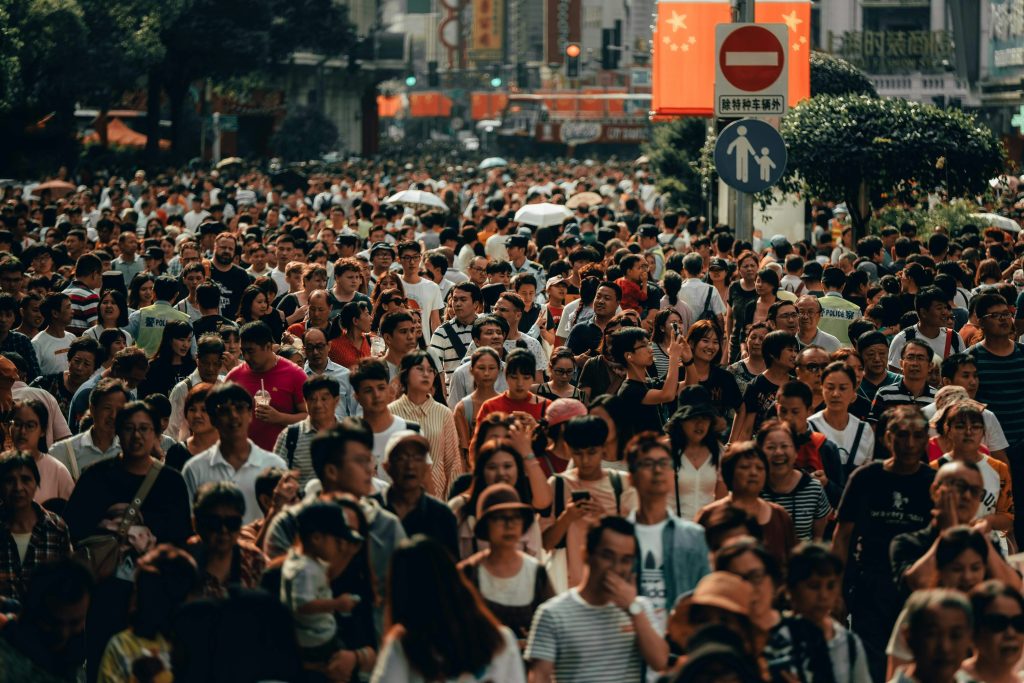
Navigating China during national holidays can present challenges, especially if you’re traveling with a school group with tight schedules and educational goals.
Major holidays such as Chinese New Year and Golden Week trigger a surge in domestic travel. Tourist sites become very crowded, trains and flights are booked weeks in advance, and prices for accommodation and transportation are much more expensive than usual.
Even organizing simple logistics—like keeping students together at a museum or finding group restaurant reservations—can be difficult during these peak periods.
It’s also important to note that during these holidays, government offices and banks close, and other businesses and restaurants also may shut down, especially during Chinese New Year.
Thoughtful timing is one of the most important factors in planning a successful school trip to China. The following tips will help you avoid logistical challenges, enhance cultural engagement, and create a smoother, more educational experience for your students.
Holidays like Chinese New Year and Golden Week are the busiest and most expensive times to travel in China. During these periods, popular tourist attractions have long lines, crowds are dense, and group logistics become challenging.
Avoiding peak periods not only improves comfort and safety for your students but also significantly reduces costs.
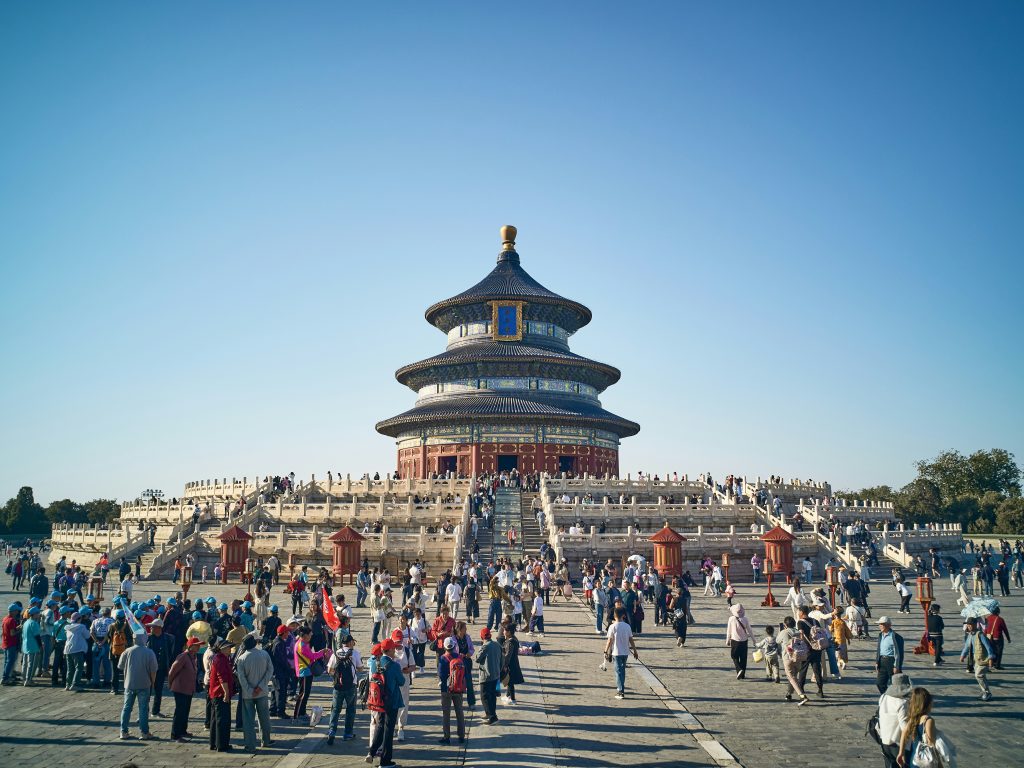
The best times to visit China with students are during off-season months, particularly spring or fall. These periods offer comfortable weather, smaller crowds, and greater options for accommodation, transportation, and enriching activities.
Spring is one of the best times to explore China with students. For more guidance on spring travel, check out our blog.
Securing your travel dates early gives you the best pricing and availability for flights, trains, accommodations, and educational experiences. It also allows time for itinerary customization and better coordination with local partners.
At the right time of year, China offers incredible opportunities for immersive cultural exchange and hands-on learning. By understanding how China national holidays affect travel, you can avoid common pitfalls and ensure a smooth, enriching experience for your students.
Top dive deeper into the planning process, explore our Ultimate Guide to Planning School Trips to China.
Ready to start planning? Reach out to the WildChina Education team and let us help you bring your school’s next global learning journey to life!
© 2026 All rights reserved.
Terms and Conditions