How can we prepare students to tackle the world’s most pressing challenges—like climate change, inequality, and sustainability?
That’s the core question behind SDG education, an approach that helps students engage with the United Nations Sustainable Development Goals (UN SDGs) in meaningful, practical ways. While these global goals offer a powerful vision for the future, they often remain abstract in traditional classroom settings.
Educational travel bridges that gap. In a country as dynamic and multifaceted as China, students don’t just learn about the SDGs—they experience them firsthand. From exploring green innovation hubs to connecting with rural communities, travel brings SDG education to life in ways that inspire empathy, critical thinking, and global awareness.
In this article, we’ll explore how educational travel in China transforms SDG education into real-world understanding—and why it matters for the next generation of global citizens.
To understand the value of SDG education, it’s important to first understand what the UN Sustainable Development Goals (UN SDGs) are—and why they’ve become essential in today’s classrooms.
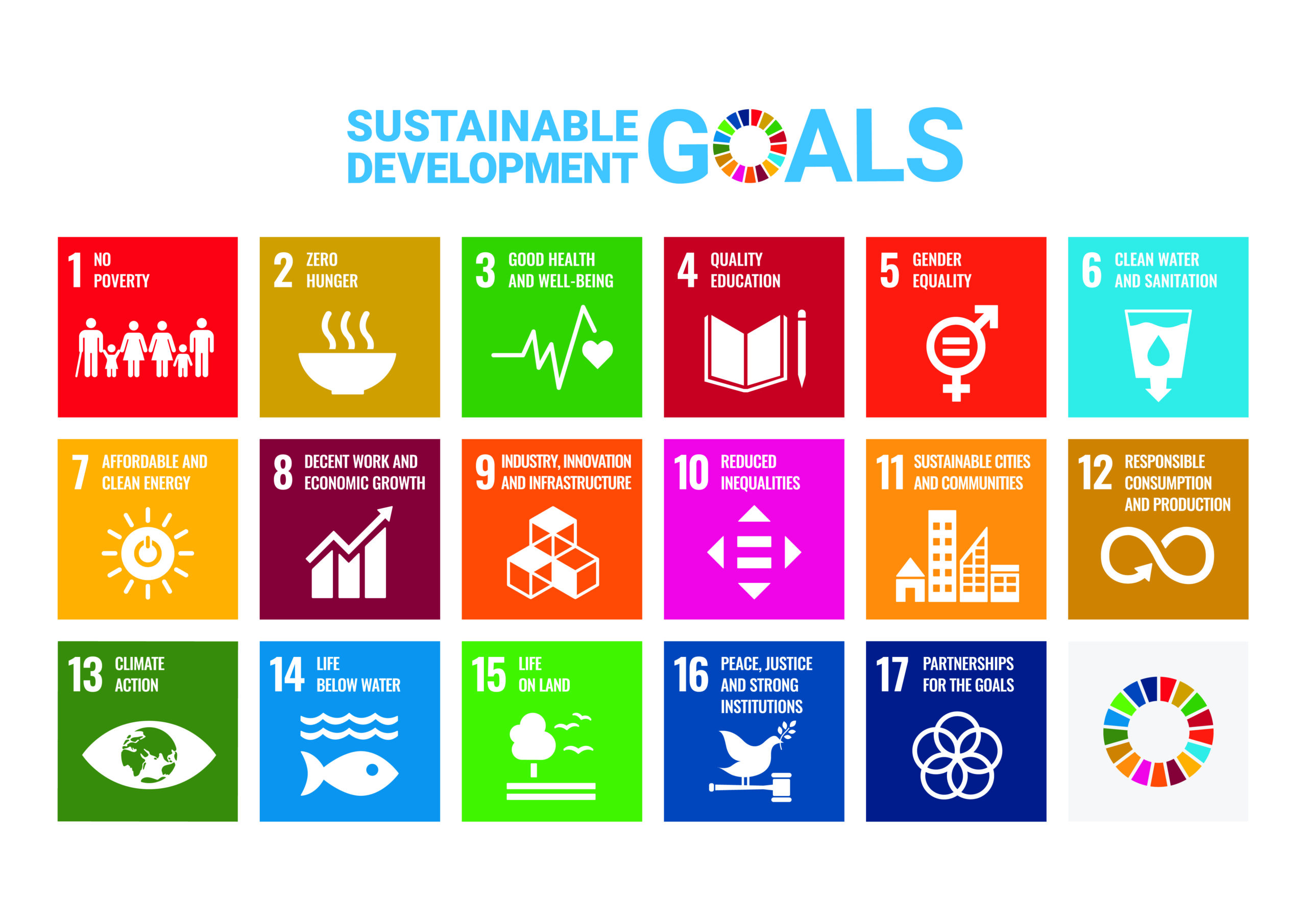
The UN SDGs are 17 global goals adopted by all United Nations member states as a blueprint to achieve a better and more sustainable future by 2030. They address urgent global challenges across social, economic, and environmental dimensions, including:
These goals are interconnected, with progress in one area contributing to improvements in others.
SDG education empowers students to move beyond passive learning and become active participants in solving real-world challenges. By integrating the SDGs into curriculum, educators help students:
As the world becomes more interconnected—and more complex—SDG education equips students with the knowledge, values, and mindset needed to create lasting impact.
China’s rapid development, rich cultural heritage, and geographic diversity make it an ideal setting for students to explore the UN Sustainable Development Goals in action. Through immersive, place-based experiences, students gain firsthand insight into how global challenges—and solutions—play out on the ground.
As one of the world’s fastest-developing nations, China faces a unique set of social and environmental challenges. These real-world dynamics create rich learning opportunities connected directly to the SDGs, such as:
Exploring these topics within a Chinese context helps students see the complexity of global development and the importance of thoughtful, culturally responsive solutions.
China’s vibrant cultural landscape offers powerful opportunities for cross-cultural engagement—an essential component of SDG education. Students develop global competencies as they:
These encounters foster the cultural awareness and critical thinking that are central to becoming responsible global citizens.
Across China, students can visit sites and communities that illustrate SDG principles in action. These hands-on learning opportunities bring abstract concepts into clear focus, such as:
Seeing these initiatives firsthand deepens students’ understanding of the SDGs—and sparks meaningful reflection on how they can contribute to change.
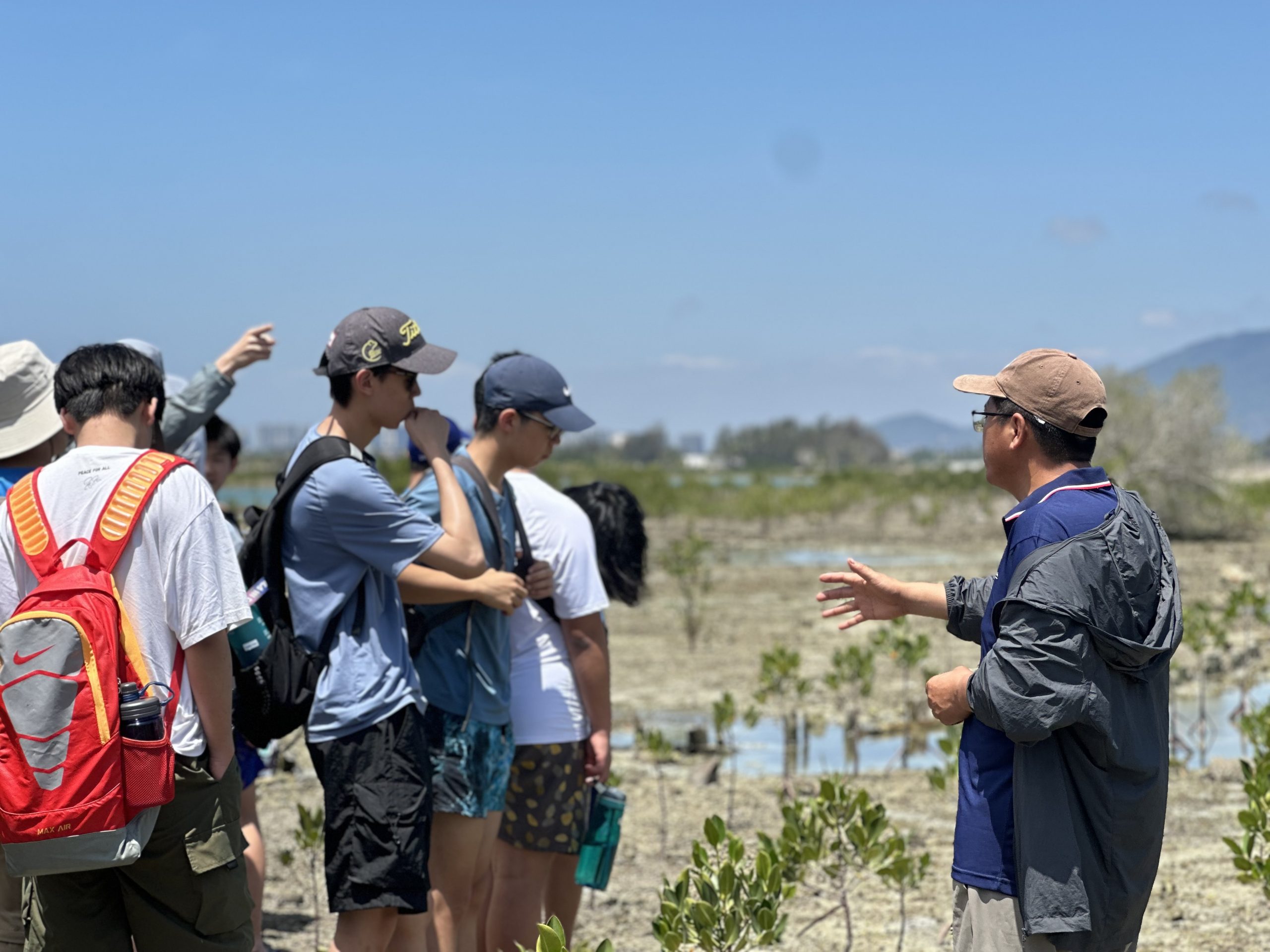
Educational travel to China transforms SDG education from classroom theory into lived experience. Through immersive, on-the-ground learning, students engage with real-world applications of the SDGs—building the knowledge, empathy, and skills needed to drive positive change.
WildChina Education’s programs are built around key Sustainable Development Goals, tailored to each destination’s local context, and aligned with schools’ curriculum and learning objectives.
Here are just a few ways we bring the SDGs to life through student travel experiences in China.
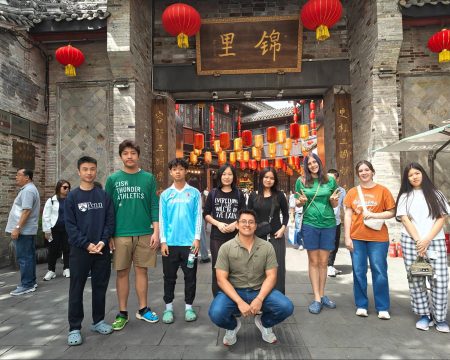
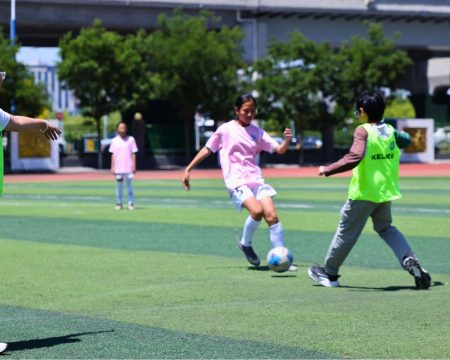
Educational travel in China immerses students in local communities and classrooms, fostering empathy, communication skills, and a deeper understanding of how inclusive education and international collaboration support sustainable development.
These experiences bring two key SDG themes to life:
By connecting with local peers, educators, and communities, students develop the mindset and skills needed to thrive as compassionate, globally minded citizens.
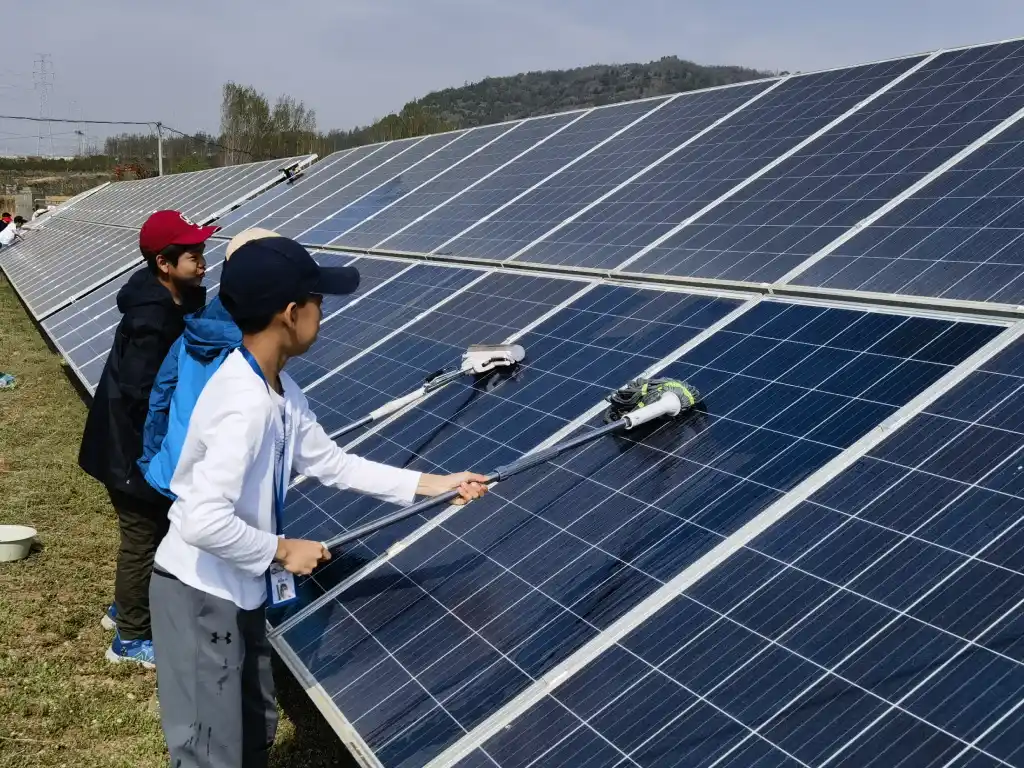
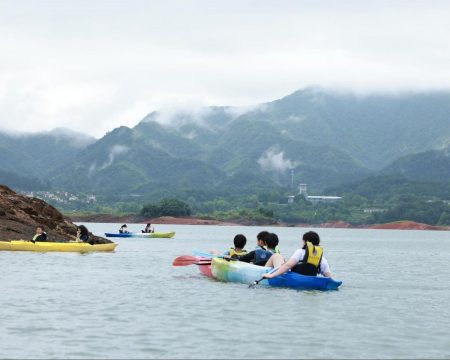
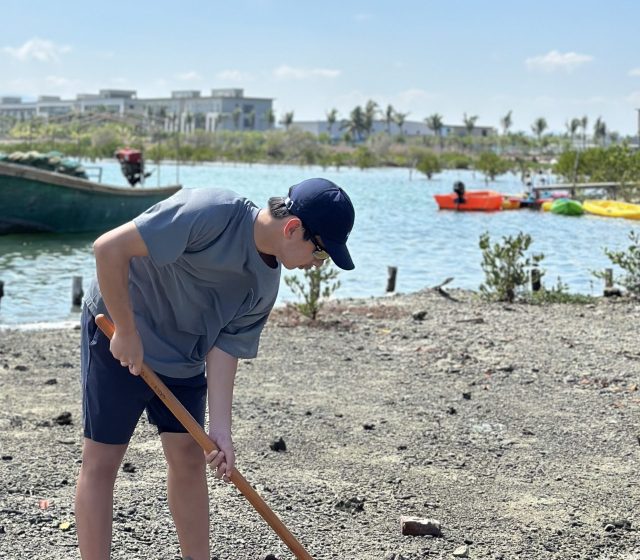
Understanding environmental issues requires more than classroom discussion—it takes real-world experience. Across China, WildChina’s educational programs immerse students in diverse sustainability initiatives, helping them explore how communities protect their natural resources and respond to environmental challenges.
These experiences often focus on two key areas of environmental learning:
These immersive programs deepen environmental awareness and inspire students to take action.
WildChina Education’s programs give students the opportunity to engage meaningfully with communities across China—witnessing how social challenges are addressed and gaining a deeper understanding of equity, health, and inclusion.
These experiences help illuminate key social development themes, including:
Whether helping with a local project or joining a dialogue with community leaders, students come away with a clearer picture of social impact—and their potential role in driving it.
Across China, students can explore how different regions are approaching economic growth in sustainable, inclusive ways. Our programs offer access to innovation hubs and grassroots enterprises that show what responsible development looks like in practice.
These experiences help students engage with two critical SDG themes:
By observing how progress is built from the ground up, students develop a broader perspective on what it means to create sustainable, equitable growth.
Together, these immersive trips and experiences not only deepen students’ understanding of the Sustainable Development Goals but also build the essential global competencies needed to make a meaningful impact.

Immersive educational travel in China offers students a unique opportunity to develop global competence through real-world engagement with the UN Sustainable Development Goals—building critical thinking, cultural awareness, and collaboration by exploring how these goals are addressed in diverse local contexts.
WildChina’s carefully curated programs, aligned with the Sustainable Development Goals, empower students to thrive and make meaningful contributions to global challenges.
Ready to bring SDG education to life for your students? Contact us to design a program aligned with your learning goals.
© 2026 All rights reserved.
Terms and Conditions