When schools talk about learning beyond the classroom, they often focus on outcomes, curriculum links, and structured objectives. Students describe something different. They talk about moments that changed how they see the world, tasks that felt unexpectedly meaningful, and experiences that stayed with them long after the trip ended.
For educators and parents, a practical question follows. Does travel in China genuinely deepen learning, or does it simply create memorable experiences? The reflections shared by students who have participated in WildChina Education programs suggest that the impact goes further than enjoyment. In the sections that follow, we explore how students themselves describe learning in China and what their words reveal about perspective, growth, and long-term understanding.
One of the most consistent themes in student reflections is the shift from reading about China to standing inside it. Textbook knowledge feels contained, whereas field experience feels layered.
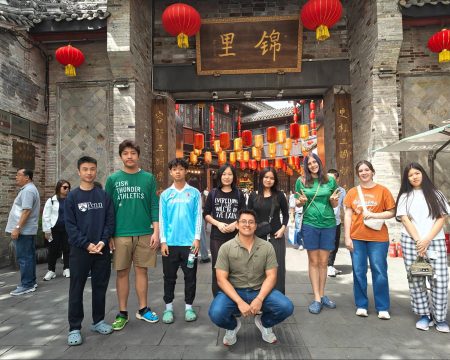
Amir Ali Zeinali Heris, a Grade 7 student from Xian Liangjiatan International School, described weaving through narrow alleys during a scavenger hunt near the ancient Nan Feng Kiln. “During this scavenger hunt we went through many alleys and saw many ancient things and places that were there.”
The task was not passive, as students had to match unclear images to real locations and gather information from local residents. Some clues were difficult to interpret, and some conversations were challenging.
Instead of moving quickly from site to site, students slowed down. They examined architectural details. They asked for clarification. They paid attention to context rather than surface impressions. The kiln was no longer a historical reference point. It was a working system with visible traces of craft, labor, and continuity.
Experiences like these reshape how students process information. A scavenger hunt becomes an exercise in close observation. A conversation with a local shopkeeper becomes informal research. History shifts from something that happened in the past to something embedded in the present.
Students often describe a turning point when they stop feeling like visitors and start feeling useful.
In Foshan, Amir and his classmates spent part of their program supporting Hui’ai Farm, a social enterprise that provides meaningful work and community for individuals with disabilities. Their tasks were not symbolic. They painted walls and cut back overgrown plants. They carried fertilizer down a hill and mixed it into soil that would soon be planted.
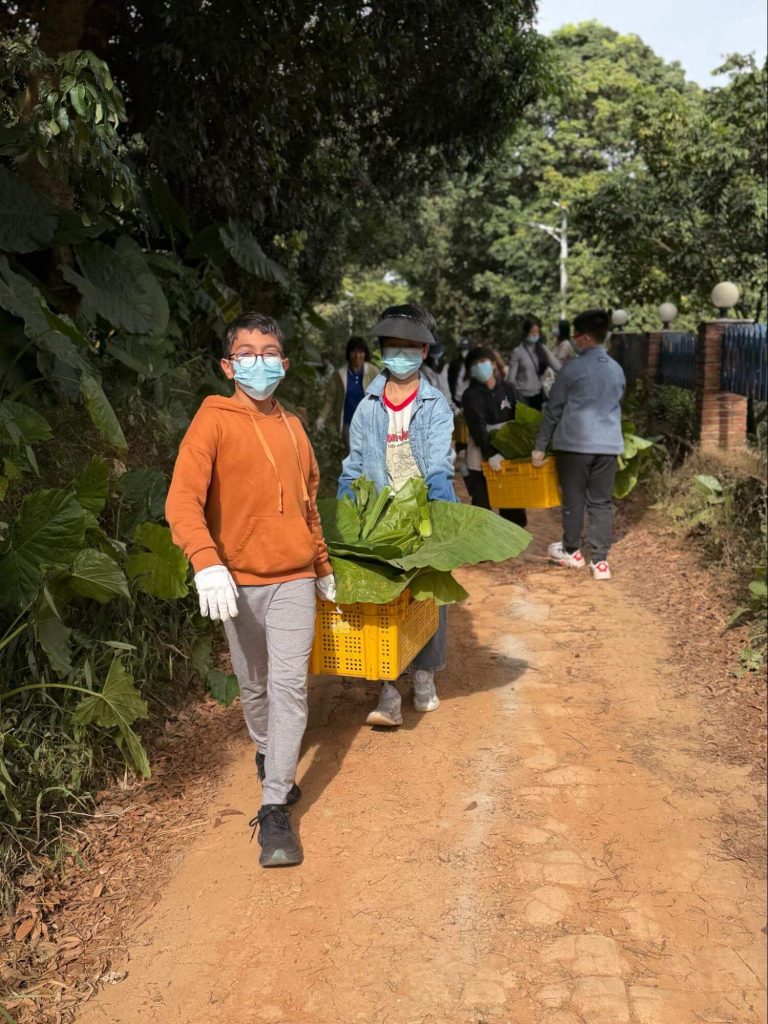
Omar Hassan, a Grade 9 student from Shanghai Community International School Pudong, reflected on restoring ancient buildings during his program. “I feel that by doing those small actions we can help the local community.”
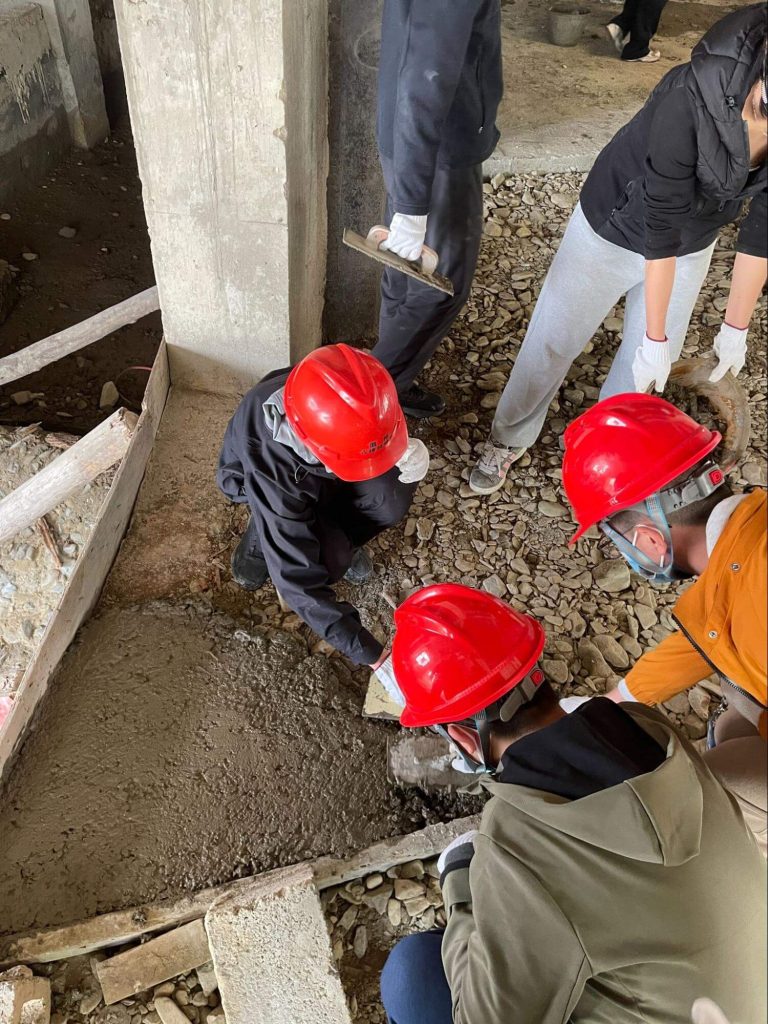
The phrasing is insightful here, as he did not describe the activity as charity, he described it as contribution.
When students take part in hands-on work, several shifts tend to happen:
Omar also learned how to pick tea leaves correctly, choosing only the lightest colored ones, and practiced carpentry with tools made by local workers.
These are small, precise skills and they require attention, but they reward patienc
The educational value here is not only in what students produce, but in what they notice while working. They see how local economies function. They observe how tradition is maintained. They experience what it feels like to contribute to something that will continue after they leave.
For educators, this highlights an important takeaway. Structured service projects and skill-based activities do more than fill time. They anchor learning in effort, responsibility, and perspective.
Not every shift in learning is tied to a task or an assignment. Sometimes it begins with standing still and looking carefully.
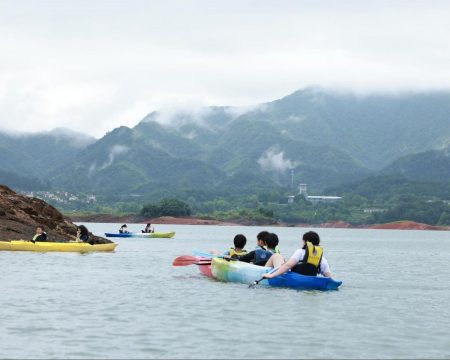
During a program in Hainan, Dengshou Luo described watching mountains and sea meet in a way that unsettled his earlier assumptions. “Nature is not a fragmented picture, but a flowing poem.”
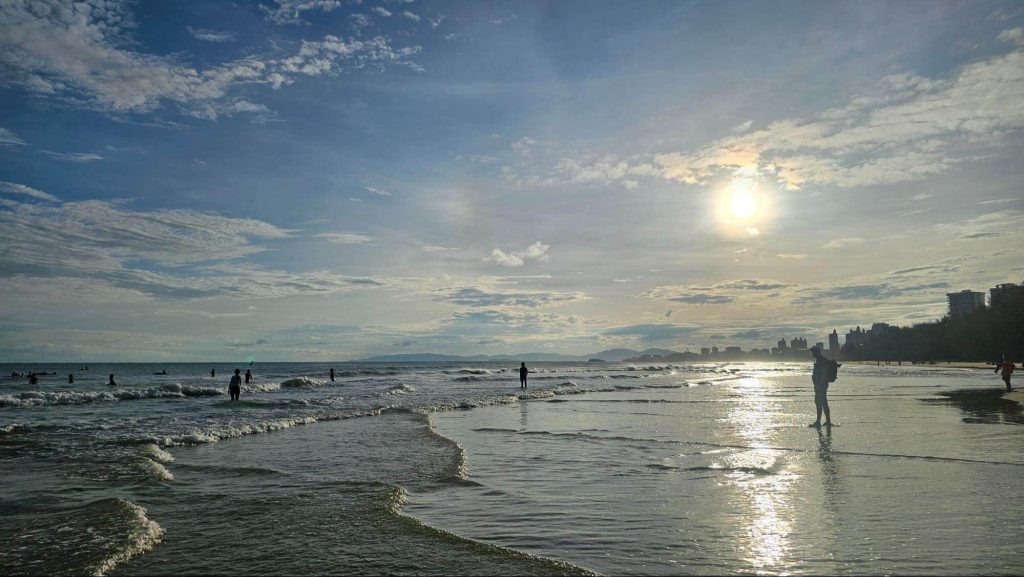
What he once understood as separate categories, mountains here and ocean there, became something continuous and connected. The landscape itself became a lesson in complexity.
He went on to reflect that the world felt “less rigid and more gentle” after returning home.
That language suggests more than enjoyment, but also cognitive flexibility. Students begin to hold two ideas at once. They become more comfortable with nuance.
For educators, this type of response is worth noticing. When students describe:
Dengshou also wrote about encountering cultural diversity not as a concept, but as daily reality. In Sanya, he observed tourists from different countries communicating in multiple languages. In Lingshui, traditional Li and Miao clothing appeared alongside contemporary fashion.
Students often describe this blending as surprising at first, as they expect contrast, yet they encounter integration.
The learning here is subtle but lasting. Instead of viewing culture as fixed or uniform, students see it as layered and evolving. That realization tends to influence how they approach discussions in history, geography, and global studies classes after they return. Diversity becomes something they have witnessed and reflected on, not simply defined.
One of the more striking patterns in student reflections is how often they describe moments that were not formally structured as lessons, yet became personally significant. These are not always the headline activities. Sometimes they happen in transitional spaces, during free exploration, or in the quiet intervals between scheduled sessions.
Omar Hassan described climbing to a terrace in Tunxi Old Town in Huangshan and noticing a friend sitting on the edge of a building at night. He recognized the composition instantly and captured what he later considered the best photograph of the entire trip.
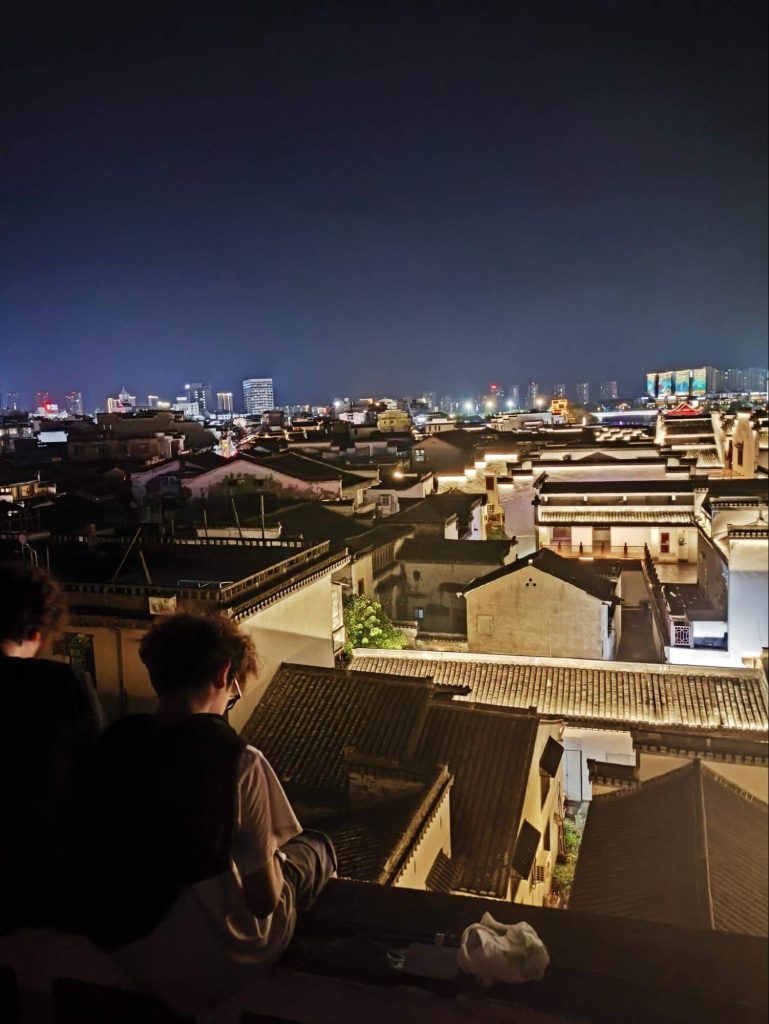
For him, the experience was not only about cultural immersion, but about discovering a deeper interest in photography and learning how to frame a moment with intention.
The scavenger hunt he mentioned also required solving riddles and photographing answers as evidence.
Activities like this blend problem-solving with creativity, giving students room to apply their own strengths rather than simply follow instructions. Some lean into visual storytelling. Others focus on decoding clues or navigating unfamiliar streets. The structure provides direction, but the outcome reflects individual agency.
When students are given space to interpret what they see and create something of their own, whether a photograph, a reflection, or a small act of restoration work, they begin to connect learning to identity. The trip becomes part of how they see themselves, not just what they have done.
Students also describe growth that unfolds socially, which is rarely captured in formal assessments but often shapes how learning is internalized. Omar noted how much he valued spending extended time with friends in unfamiliar settings, where daily routines were replaced by shared challenges and collaborative tasks.
Travel introduces friction in productive ways. Groups navigate airports together, divide responsibilities during projects, and solve unexpected problems in real time. These shared experiences require communication, patience, and trust. They also tend to accelerate maturity, as students recognize their role within a team rather than operating as individuals within a classroom.
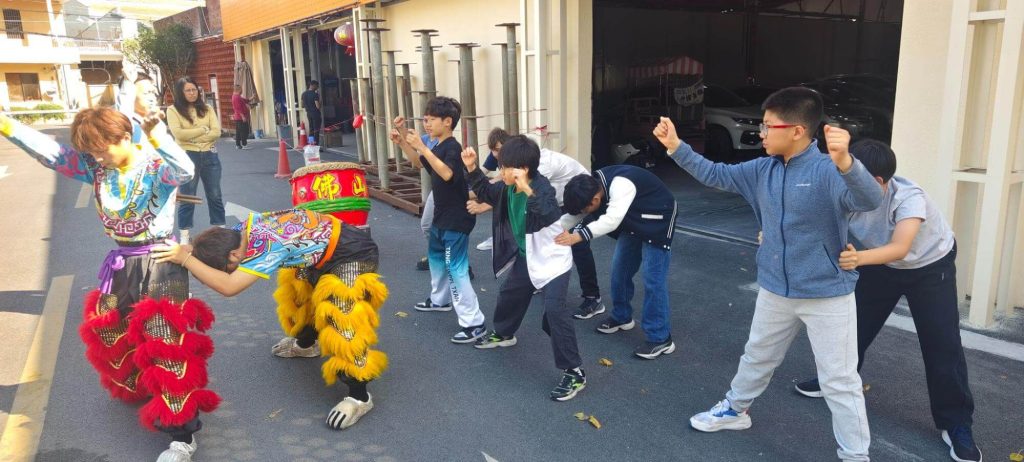
From an educational perspective, this dimension matters because learning does not occur in isolation. When students feel supported by peers and responsible to one another, they are often more willing to take intellectual risks, ask questions, and reflect honestly. The social fabric of the trip quietly reinforces the academic goals embedded within it.
The most revealing part of student reflections often appears near the end, when they attempt to describe what changed. Dengshou Luo wrote that “going out is not to find answers, but to make every question have richer solutions.”
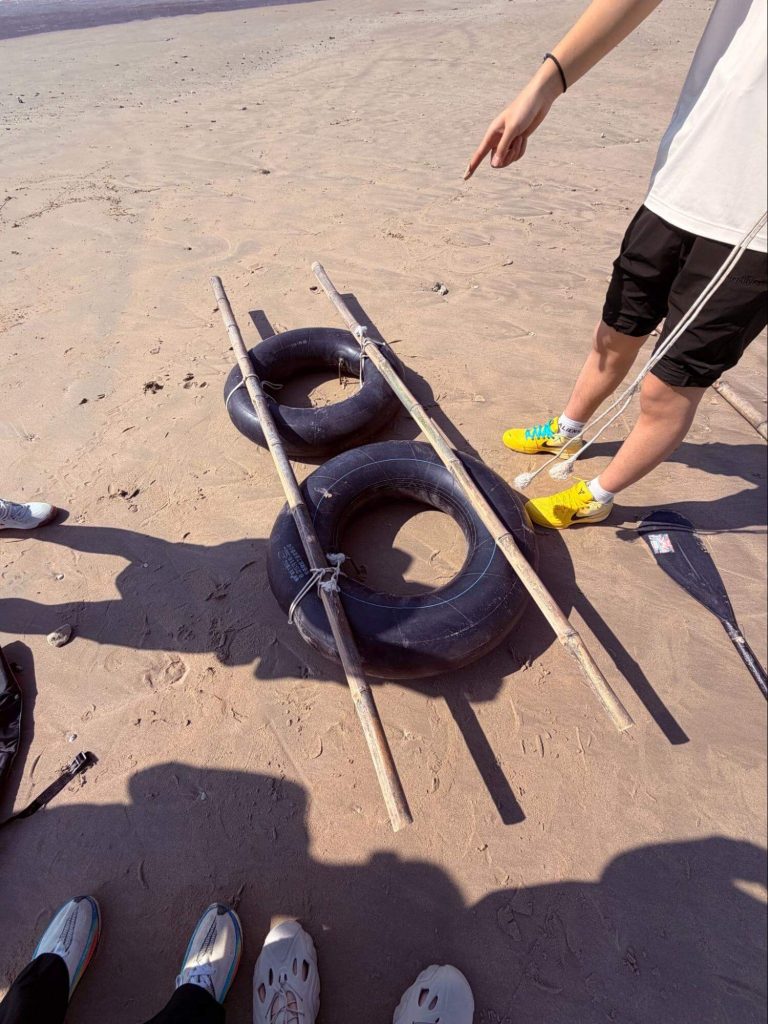
This statement suggests a shift in how he approaches uncertainty, not just what he learned about a particular location.
Rather than returning with a list of facts, students frequently describe returning with altered frameworks. They speak about seeing connections where they once saw divisions, or recognizing how local practices reflect broader systems. These are not fleeting impressions. They shape how students engage with subsequent lessons, discussions, and debates.
For educators, this raises an important point. The value of experiential learning is often visible not in immediate outputs, but in how students interpret new material weeks or months later. When students draw comparisons unprompted, reference a site visit during a classroom discussion, or question a simplified explanation, they are demonstrating the durable impact of place-based learning.
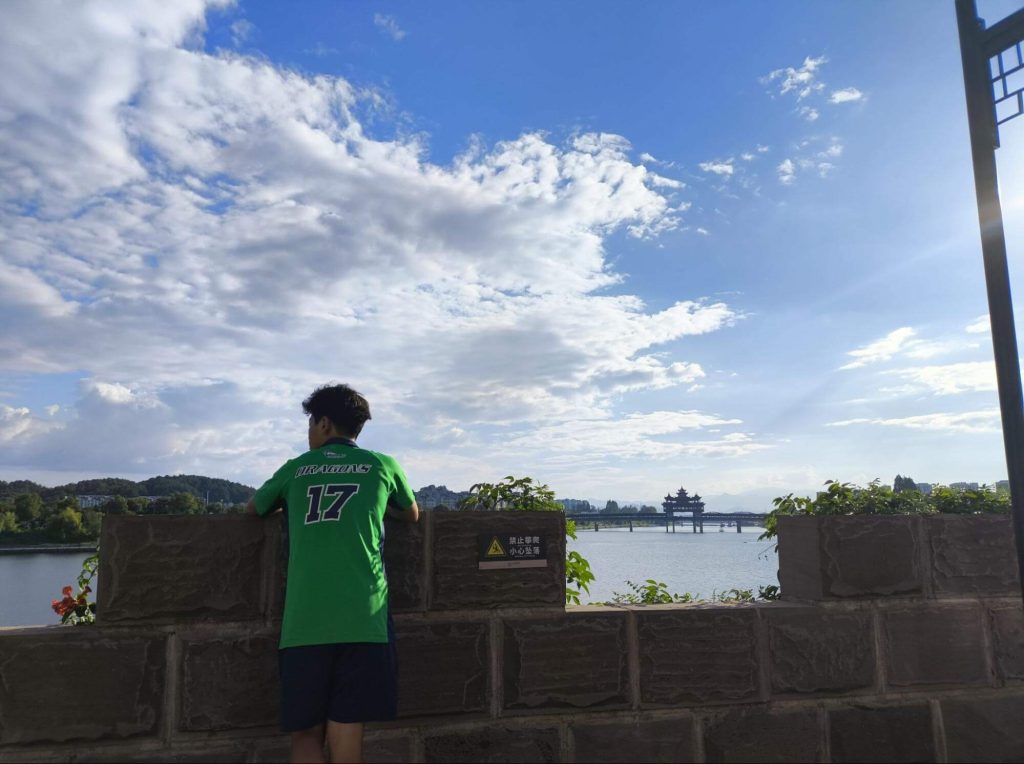
Across the reflections from Amir, Dengshou, and Omar, certain themes repeat with subtle variation. Students describe pride in contributing to a community project. They mention surprise at the complexity of daily life in places they had previously understood in broad terms. They return to sensory details such as the feel of soil, the rhythm of waves, or the texture of ancient brickwork.
These elements suggest that learning becomes lasting when it is anchored in personal experience. The trip is not remembered as a sequence of scheduled activities, but as a series of moments that altered perception. That distinction is significant. It indicates that learning beyond the classroom in China is not simply about exposure to new content, but about reshaping how students process and interpret the world around them.
When students describe learning beyond the classroom in China, they rarely begin with schedules or objectives. They talk about restoring old buildings, selecting tea leaves with care, watching mountains meet the sea, or capturing a photograph that suddenly feels meaningful. In their words, learning becomes personal, layered, and reflective.
For schools considering experiential travel, these reflections offer a practical reminder. The most lasting outcomes are often tied to perspective shifts rather than checklists. If you are exploring how place-based programs can support both academic depth and personal growth, learn more about how WildChina Education designs immersive learning journeys.
© 2026 All rights reserved.
Terms and Conditions