I was constantly commiserating with schoolteachers in Shanghai last year about the lack of ‘The Great Outdoors’ type of programs within the city limits.
If you’re a teacher in Beijing planning an outdoor education trip – you’re lucky. Because of how China has drawn the borders for the Beijing municipal area, Beijing is actually the largest ‘city’ by geographical standards. Beijing has mountains, rivers, hills, valleys – you could literally trek for days and days and never see another soul, as our students do during their Adventurous Journeys for their Duke of Edinburgh International Award programs.
Shanghai has an opposite situation going on. As a special administrative region, Shanghai is a city – but it’s also a province. So, when the ‘cross province’ restrictions due to coronavirus are put into place it means that, in order to keep students safe, we can only run residentials, week without walls, and school trips within Shanghai city.
Shanghai has – well, a big river that’s more like a shipping canal, and no crystal clear mountain streams that students can wade in or take water samples for field experiments from. Shanghai’s countryside is almost completely quadrated to feed Shanghai’s staggering population (in all seriousness, Shanghai’s population is larger than Australia’s), and its maximum elevation is a dizzying height of… 103m. Hiking – one of the most immersive nature experiences is essentially non-existent.
However, there actually are a lot of programs that can be run without leaving Shanghai. It’s not as exotic but it doesn’t mean that you can’t have fun, meaningful, and exciting programming. As an organization that focuses solely on experiential education (learning-outside-the-classroom), we have looked really really hard to find the sites that can safely accommodate 200, 400, 600 of your students for a week.
Over the past twenty-one years, our team has been compiling knowledge and experience in running programs in Shanghai. Shanghai schools can have their school trips, can have their outdoor education, and can have those primary school residentials without ever leaving the city. In this article, we’re giving (almost all) our secrets away below.
P.S. We understand not every school has the budget for our services, please feel free to use all of the information below and also check out our guide on ‘how to plan a school trip in China.’
School trip at Changxing Island (East Shanghai)
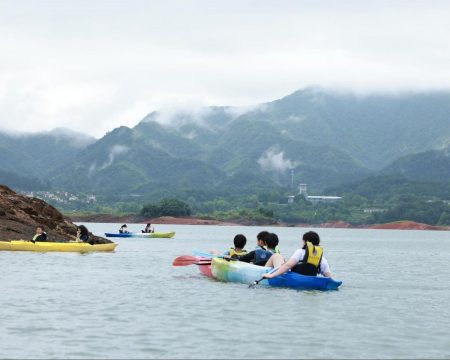
The Hutong goes here, Insight Adventures goes here, Keystone Adventures goes here, we go here. All the outdoor education companies use this site. Why? There is a kayaking/water sports company that usually stores something like 200+ kayaks/SUPs in this area – it’s their base. There are contained campgrounds, a national park where students can do some environmental experiments, the accommodation is cheaper than in the city center, and depending on the season you can do a lot of farm-based activities (planting, harvesting etc…).
Pros:
Cons:
School trip at Dianshan Lake (West Shanghai)
Dianshan lake is the largest body of water close to Shanghai. There’s kayaking, cycling, and the regular host of activities typical of school residentials/week without walls. However, we like Dianshan Lake because of its wealth in protected flora and fauna species. It’s eye opening to learn about how the agricultural industry is threatening native species. Not only is the area home to a diminishing number of native species, but it’s also unfortunately become a thriving breeding ground for many invasive species. There are important questions that we can discuss with your students in a hands-on way here.
Pros:
Cons:
School trip at any of the water towns (West Shanghai)
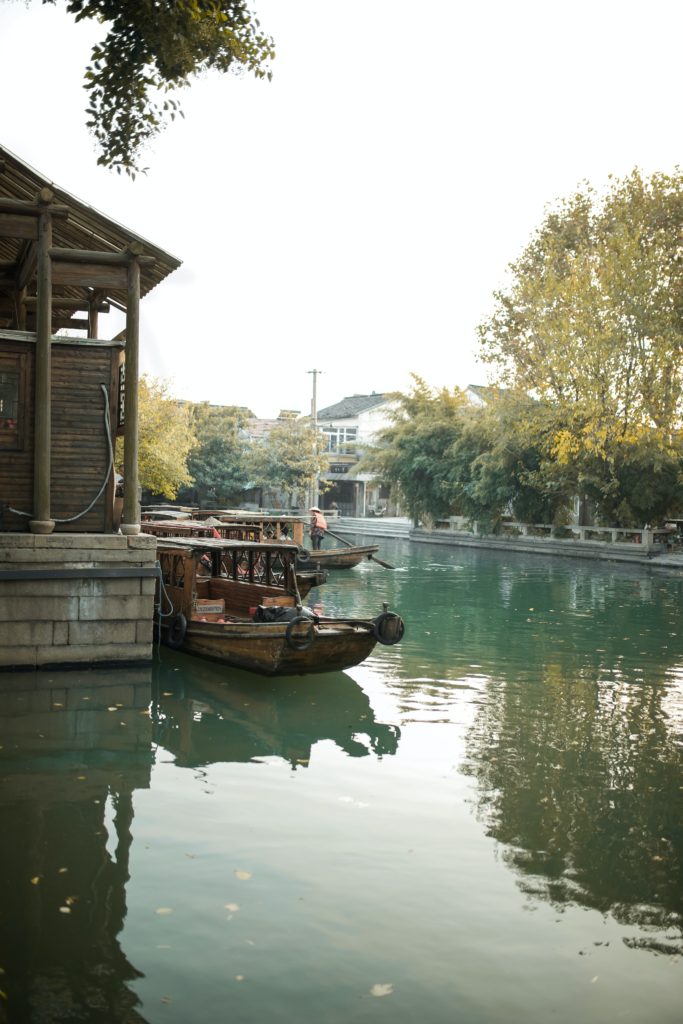
Zhujiajiao, Qibao, Fengjing are the three water towns that are within the Shanghai city limits. Though there are at least 10 more water towns within 2 or 3 hours from Shanghai, they are officially part of other provinces. Having a residential or week without walls close to a water town means that students can have a blast going on our water-town themed Amazing Races and simultaneously learn about culture and history. Close to these water towns we also have campsites and outdoor education centers for high ropes, low ropes, and other team-building activities.
Pros:
Cons:
School trip at Hengsha Island (East Shanghai)
Our programs on Hengsha island run more like retreats than the typical American summer camp. We have close ties with the local communities here where we run our Coding for Communities project every season. There is horse riding, water activities, camping, and lots of agriculturally themed projects that students can participate in.
Pros:
Cons:
School trip at Fengxian (South Shanghai)
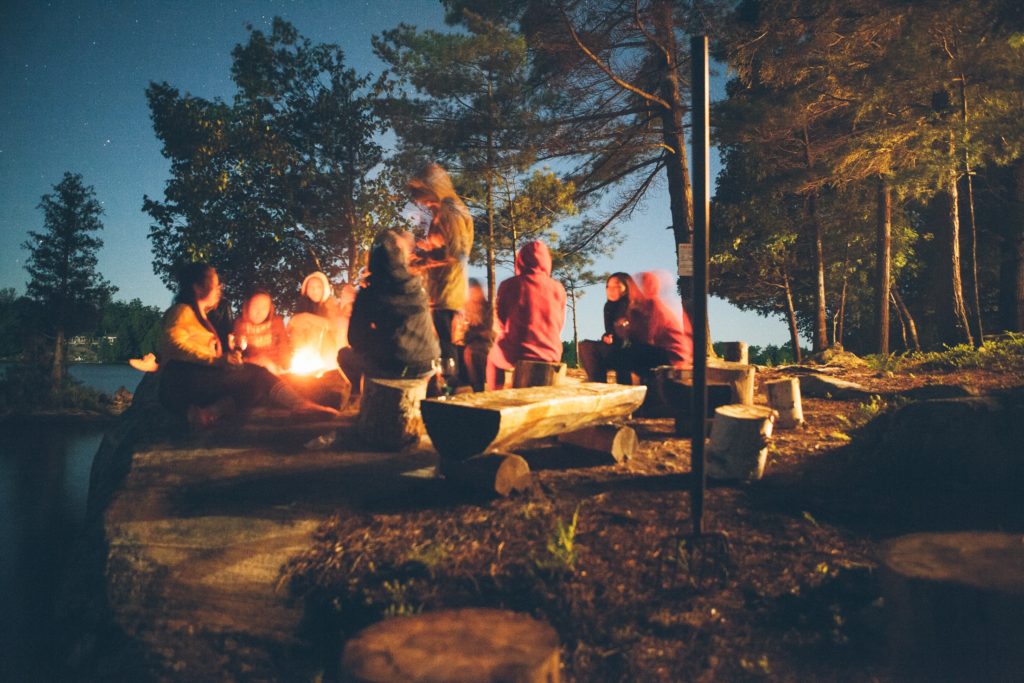
The Bay of Hangzhou is actually in Shanghai. It’s possible to house hundreds of students here and there’s a beach to boot! Kids can experience bonfires, high ropes courses, teambuilding activities, as well as some STEAM activities based off of the area’s prominence in the shipping industry.
Pros:
Cons:
School trip in Pudong (East Shanghai)
We’re not talking about the financial district or even Disneyland. There are entire villages in Pudong that are called “zhang village” or “zhou village” because the entire village is just one massive family. Our programming here is a sociology teacher’s dream come true. The linguistic differences and the cultural nuances of being, essentially, a modern-day tribe provide for fascinating enquiry-based learning projects.
Pros:
Cons:
On Campus Residentials at your school in Shanghai
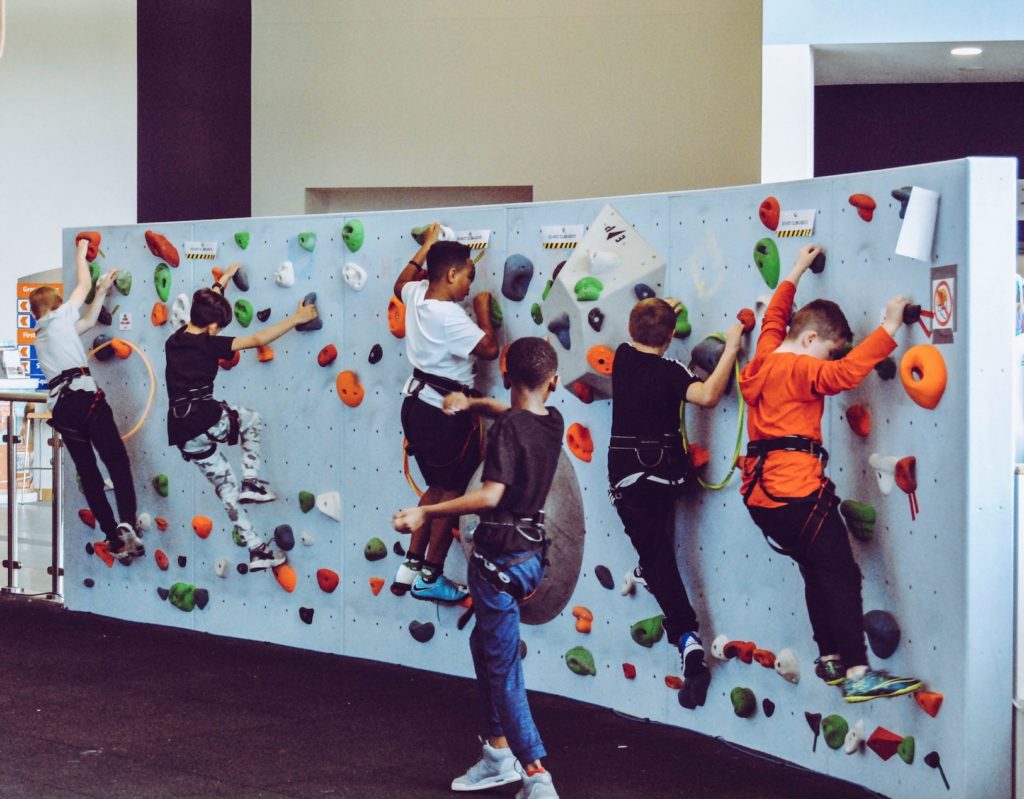
Yes. This is a real thing that we did for schools during the pandemic last academic year. Our programs range from wall rappelling where we professionally set up climbing and abseiling on your school buildings, to service-learning workshops, to zombie apocalypse survival days. They’re incredibly fun and we help you with re-imagining the space on your campus.
Pros:
Cons:
School trip to Disneyland (East Shanghai)

Probably a class favorite for any year group. Don’t want to just let the kids loose willy-nilly? Ask us for our Disneyland Amazing Race program.
Pros:
Cons:
Outdoor education and school residentials in Shanghai aside, Shanghai has an incredible array of day programs, workshops, and urban exploration programs to offer. The programs that we’ve curated run the gamut: Fashion themed multi-media workshops, Scavenger hunts around the Yu gardens, Port visits, Stock exchange visits, Dialogues with Diplomats, Sports days, and more.
You can trust us when we say that your school’s excursions don’t have to suffer in quality due to potential cross-province travel restrictions. That said, remember to stay safe (tips on how to keep things covid-free on school excursions), and keep learning outside of the classroom.
Stay tuned for our next list!

© 2026 All rights reserved.
Terms and Conditions